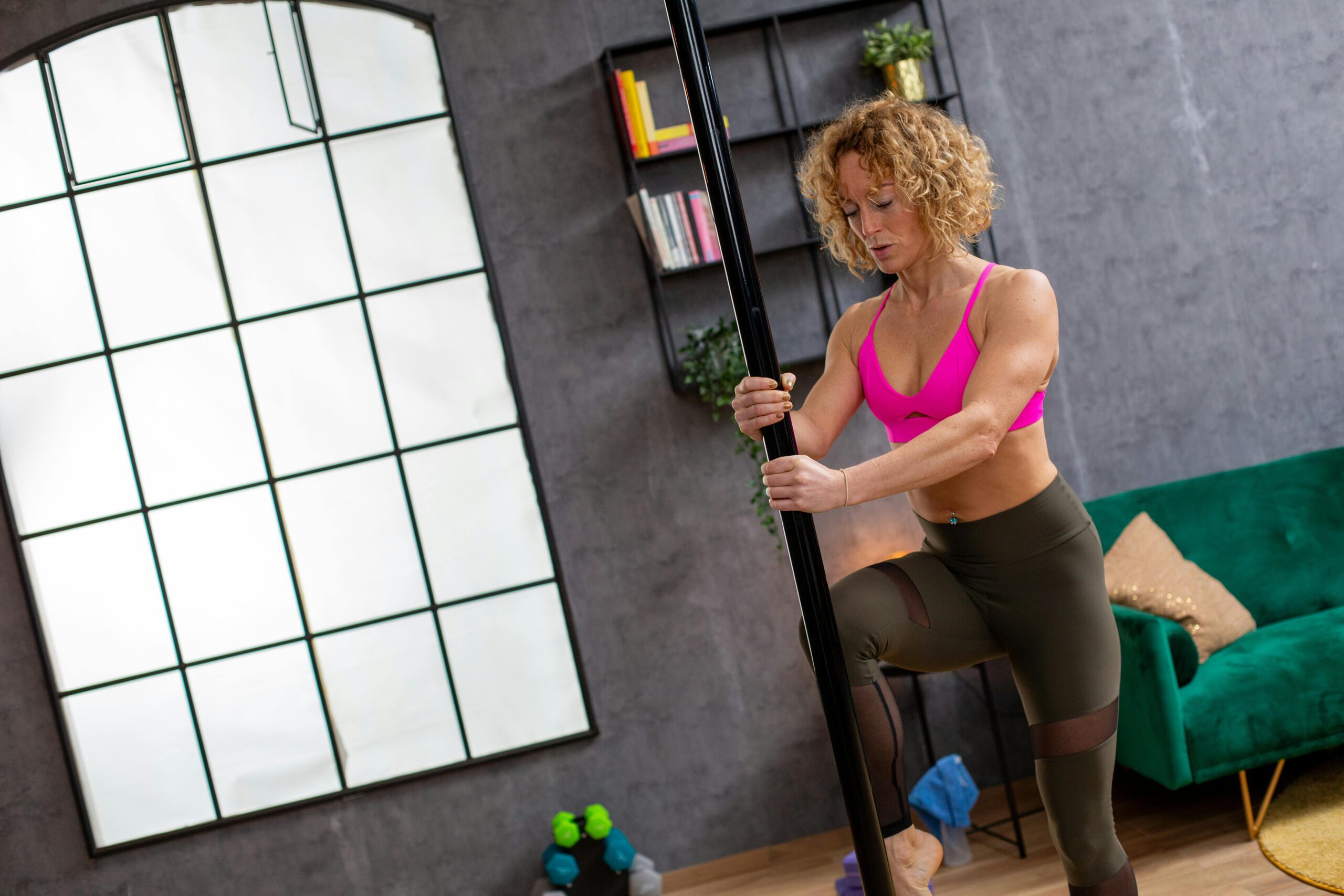
Pole dancing exercises have revolutionized the fitness industry, transforming from an art form into a powerful full-body workout that challenges both physical and mental boundaries. This comprehensive guide explores everything you need to know about pole dancing exercises, from fundamental techniques to advanced conditioning routines.
What Are Pole Dancing Exercises?
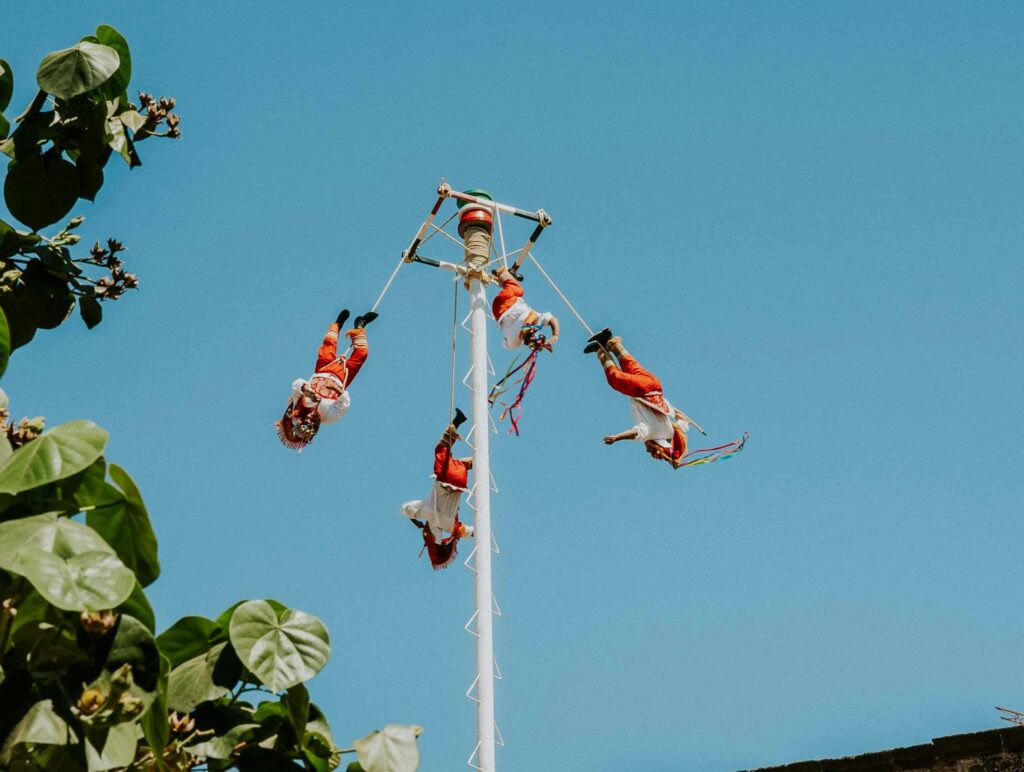
Pole dancing exercises represent a unique form of fitness training that combines strength building, cardiovascular conditioning, and artistic expression. This dynamic, empowering, and challenging form of fitness tests the limits of strength, flexibility, and endurance, requiring practitioners to develop exceptional body awareness and control.
Unlike traditional gym workouts, pole dancing exercises engage multiple muscle groups simultaneously while improving coordination, balance, and grace. The discipline demands both upper body strength and lower body flexibility, creating a comprehensive fitness experience that delivers remarkable results.
Table of Contents
The Science Behind Pole Dancing Fitness

Physical Benefits Backed by Research
Recent scientific studies have demonstrated the remarkable health benefits of pole dancing exercises. Research shows that pole dance groups experience increases in mental wellbeing and improvements in sexual self-efficacy, sexual anxiety, sexual self-esteem, and body appreciation. Additionally, participation in recreational pole dancing classes has been shown to align with improvements in body image, physical fitness, satisfaction of basic psychological needs and group identity.
Muscle Groups Engaged
Pole dancing exercises target virtually every muscle group in your body:
Upper Body Development: The moves and manoeuvres require you to lift and hold your own body weight, making it ideal for building strength in your back muscles, biceps, triceps, and forearms. This bodyweight resistance training creates functional strength that translates to everyday activities.
Core Strengthening: Every pole movement engages your core muscles, developing deep abdominal strength and stability. Practitioners experience significant improvements in core strength and back muscles, often resolving chronic pain issues.
Lower Body Power: While upper body strength often receives attention, pole dancing exercises also develop powerful legs through kicks, climbs, and holds that require exceptional lower body control.
Essential Pole Dancing Exercises for Beginners
Foundation Movements
Pole Walking Start by circling the pole, taking smooth, deliberate steps. It’s not just walking; it’s about moving with purpose and allure. Your arms are either sensuously tracing the pole or positioned gracefully. This fundamental exercise builds confidence while teaching proper posture and pole connection.
Basic Spins Progressive spinning techniques form the cornerstone of pole dancing exercises:
- Chair Spin: Place your inside hand high on the pole, and your outside arm at chest height. Swing your outside leg back and then forward to create momentum while your other knee is lifted
- Fireman Spin: A controlled descent that builds grip strength and teaches weight distribution
- Back Hook Spin: Develops flexibility while maintaining momentum around the pole
Strength Building Exercises
Pole Holds Static holds develop the grip strength and endurance essential for advanced moves. Start with:
- Basic bracket grip holds (10-30 seconds)
- One-handed holds progressing from supported to unsupported
- Inverted holds for advanced practitioners
Conditioning Movements Effective exercises include push-ups, pull-ups or assisted pull-ups, tricep dips, plank variations, and forearm planks. Aim to gradually increase the number of repetitions or difficulty as you get stronger.
Advanced Pole Dancing Exercise Techniques
Intermediate Progressions
As strength and confidence develop, practitioners can advance to more challenging movements:
Climbing Techniques Pole climbing builds exceptional upper body and core strength while improving coordination. Progress from assisted climbs to fluid, continuous movements up and down the pole.
Inverted Movements Inversions represent a significant milestone in pole dancing exercises, requiring substantial core and grip strength. These movements include:
- Basic invert from standing
- Shoulder mount progressions
- Advanced inverted spins and holds
Expert-Level Combinations

Advanced practitioners combine multiple elements into flowing sequences that demonstrate mastery of strength, flexibility, and artistry. These complex combinations challenge both physical capabilities and creative expression.
Maximizing Benefits Through Proper Technique
Warm-Up Protocols
Effective warm-up routines prevent injury and optimize performance. Begin each session with:
- Dynamic stretching focusing on shoulders, wrists, and hips
- Light cardio to increase circulation
- Grip-specific warm-ups using resistance bands or light pole work
Recovery and Cool-Down
Warming up and cooling down are essential parts of every workout, helping to prepare your body for the session ahead and promoting recovery afterward. Post-workout recovery should include:
- Static stretching to maintain flexibility
- Foam rolling for muscle recovery
- Hydration and proper nutrition timing
Health Benefits Beyond Physical Fitness

Mental Wellness Improvements
The psychological benefits of pole dancing exercises extend far beyond physical transformation. Much like other forms of dance or pilates, one of the major benefits is that it works muscles you might not traditionally strain while doing cardio or weightlifting. This unique movement pattern stimulates different neural pathways, promoting mental clarity and stress relief.
Confidence and Self-Esteem
Regular practice builds confidence through achievement of challenging movements and development of body awareness. Many practitioners report significant improvements in self-image and personal empowerment.
Community and Social Connection
At the studio, you’ll witness the birth of strong friendships as the pole dancing community provides supportive environments for personal growth and artistic expression.
Creating Your Pole Dancing Exercise Routine
Beginner Program Structure
Week 1-4: Foundation Building
- 2-3 sessions per week, 45-60 minutes each
- Focus on basic spins, holds, and conditioning
- Emphasis on proper form and safety
Week 5-8: Skill Development
- Introduce intermediate moves
- Increase session intensity and duration
- Begin combination work
Progressive Training Methods
Always work on both sides, that is to say to do the trick with the right arm and then move to the left arm. This bilateral training prevents muscle imbalances and ensures comprehensive development.
Equipment Considerations
Proper equipment enhances safety and performance:
- Professional-grade dance poles with appropriate mounting
- Grip aids for beginners (rosin, grip spray)
- Appropriate workout attire for skin grip
- Quality yoga mats for floor work
Injury Prevention and Safety Guidelines
Common Risk Factors
Understanding potential risks helps prevent injuries:
- Inadequate warm-up leading to muscle strains
- Attempting advanced moves without proper strength development
- Poor grip technique causing falls
- Overtraining without adequate recovery
Safety Best Practices
- Progress gradually through skill levels
- Maintain equipment properly
- Practice under qualified instruction initially
- Listen to your body and rest when needed
Nutrition and Lifestyle Support
Fueling Performance
Pole dancing causes noticeable weight loss and increases endurance while correcting posture, improving the suppleness of the skin. Supporting these benefits requires:
- Adequate protein for muscle recovery
- Complex carbohydrates for sustained energy
- Proper hydration before, during, and after sessions
- Anti-inflammatory foods to support recovery
Lifestyle Integration
Pole fitness will work on strengthening your muscles while increasing flexibility and mobility which significantly reduces the likelihood of developing joint problems. This improved physical condition enhances daily life activities and overall wellness.
Advanced Training Considerations
Specialization Paths
As skills develop, practitioners often specialize in specific aspects:
- Strength-focused training: Emphasizing power moves and holds
- Flow and dance: Concentrating on fluid movement and artistic expression
- Flexibility training: Developing extreme range of motion for advanced positions
- Competition preparation: Training for pole sports competitions
Cross-Training Benefits
Most athletes would benefit from adding more types of exercise to their repertoire. Complementary activities enhance pole dancing performance:
- Yoga for flexibility and mindfulness
- Weight training for targeted strength development
- Cardio activities for endurance
- Dance classes for rhythm and expression
Measuring Progress and Setting Goals
Milestone Achievements
Track progress through specific benchmarks:
- Duration of static holds
- Number of consecutive spins
- Height achieved in climbs
- Complexity of completed combinations
Long-term Development
Pole dancing exercises offer lifelong learning opportunities. Practitioners report taking up pole at 59 years old and continuing to practice nearly 70 now, experiencing benefits like improved core strength and back muscle development, demonstrating the accessibility and longevity of this fitness discipline.
Getting Started: Your First Steps
Finding Instruction
One of the best ways to learn how to pole dance is by taking a class or getting a beginner online pole dance lesson for use in the privacy of your own home. Quality instruction ensures proper technique development and safety.
Home vs. Studio Practice
Both options offer unique advantages:
- Studio benefits: Professional equipment, instructor guidance, community support
- Home advantages: Privacy, convenience, personalized pacing
Investment in Equipment
Quality equipment represents a worthwhile investment in your fitness journey. Professional-grade poles, proper flooring, and safety equipment create optimal training conditions.
Conclusion
Pole dancing exercises represent a revolutionary approach to fitness that combines strength training, cardiovascular conditioning, flexibility development, and artistic expression. The comprehensive benefits extend far beyond physical transformation, encompassing mental wellness, confidence building, and community connection.
Whether you’re seeking a new fitness challenge, looking to break through training plateaus, or wanting to explore creative movement, pole dancing exercises offer a unique and rewarding path. The journey from beginner to advanced practitioner provides continuous growth opportunities while building functional strength and grace. Start your pole dancing exercise journey today and discover the transformative power of this dynamic fitness discipline. With proper instruction, consistent practice, and patience with the learning process, you’ll unlock new levels of strength, flexibility, and self-confidence
External Authoritative Sources
- National Center for Biotechnology Information – Pole Dance Mental Health Study
- University of Michigan Circus Journal – Pole Dancing Research
- Insure4Sport – Health Benefits of Pole Dancing
- 123Poling – Building Upper Body Strength
- PolePedia – Comprehensive Move Dictionary
Also Read
Healthy Lifestyle Tips for Busy Professionals – Top 10 Power Strategies to Energize Your Life