

That Mysterious Bump on Your Skin: What Is It Really?
You wake up, look in the mirror, and there it is – a bump on your skin that wasn’t there yesterday. Your mind immediately starts racing: “Is this just a pimple, or could it be something else?” If you’ve ever found yourself in this situation (and let’s be honest, who hasn’t?), you’re not alone.
The truth is, not all skin bumps are created equal. While your first instinct might be to assume it’s “just another pimple,” understanding the key differences between a cyst vs pimple can make all the difference in how you treat it – and how quickly it goes away.
I’ve spent years helping people navigate the cyst vs pimple dilemma, and I can tell you that this confusion is incredibly common. The good news? Once you know what to look for in the cyst vs pimple comparison, telling the difference becomes much easier.
Table of Contents
Let’s Talk About Pimples First
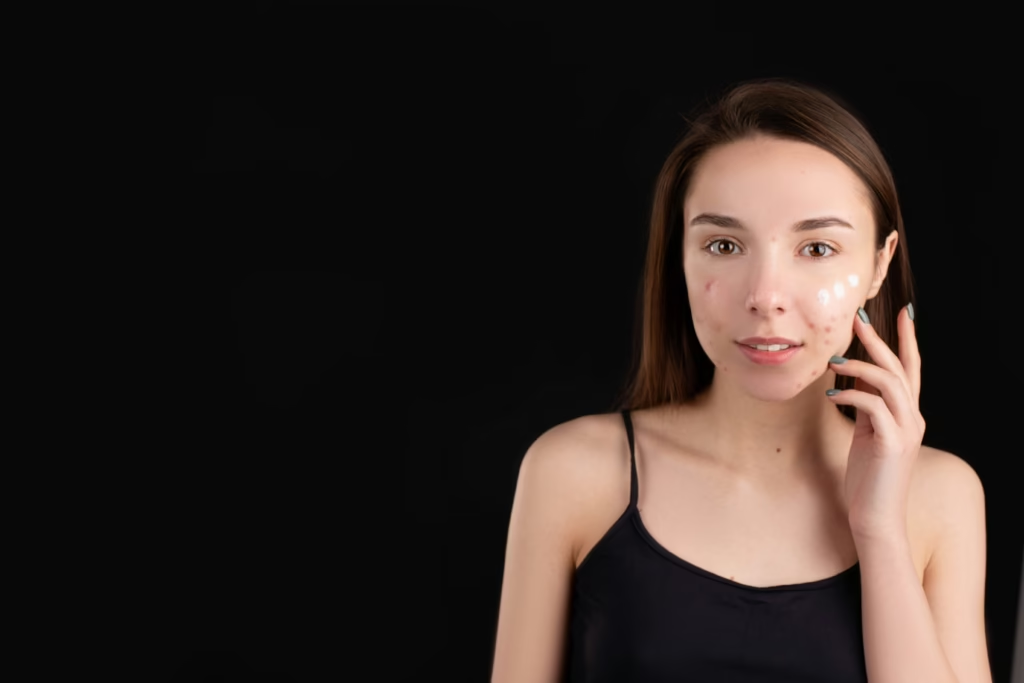
What’s Really Happening When You Get a Pimple
Think of your skin like a busy city with thousands of tiny hair follicles acting as buildings. Each follicle has its own oil gland (sebaceous gland) working around the clock to keep your skin moisturized. Sometimes, though, this system gets overwhelmed.
Here’s what happens: Your oil glands start producing too much sebum (that’s the fancy name for skin oil), usually because of hormones, stress, or just plain bad luck. This excess oil mixes with dead skin cells that should have naturally shed away, creating a sticky plug that blocks the follicle opening.
When bacteria – specifically the troublemaker called Propionibacterium acnes – gets trapped in this blocked follicle, it throws a party. And like most parties that get out of hand, inflammation follows. The result? That red, sometimes painful bump we call a pimple.
The Different Types of Pimples You Might Encounter
Not all pimples look the same, and understanding the different types can help you choose the right treatment approach.
The Surface Dwellers:
- Blackheads are like tiny volcanoes with their tops exposed to air. The dark color isn’t dirt (contrary to what many people think) – it’s actually oxidized oil and dead skin cells.
- Whiteheads are blackheads’ shy cousins. They stay completely under the skin surface, appearing as small white or flesh-colored bumps.
The Troublemakers:
- Papules are those small, red, tender bumps that hurt when you touch them. They don’t have visible pus, but they’re definitely inflamed.
- Pustules are papules that have developed a white or yellow pus-filled center. These are what most people picture when they think “pimple.”
- Nodules are the bullies of the pimple world – large, painful, and deep under the skin.
- Cystic acne represents the most severe form, with deep, pus-filled lesions that can cause significant scarring.
Why Do You Get Pimples in the First Place?
The reasons behind pimple formation are more complex than you might think, and they often work together to create the perfect storm for breakouts.
Hormones Are Often the Main Culprit: Your hormones fluctuate more than you realize. During puberty, menstrual cycles, pregnancy, or times of stress, androgen hormones (yes, women have them too) tell your oil glands to go into overdrive. More oil means more chances for clogged pores.
Your Family Tree Matters: If your parents dealt with acne, there’s a good chance you will too. Genetics influence everything from how much oil your skin produces to how your immune system responds to acne bacteria.
Modern Life Doesn’t Help: The foods we eat, the stress we carry, and even the products we use can all contribute to breakouts. That daily latte might taste amazing, but dairy and high-sugar foods can trigger acne in some people. Stress doesn’t directly cause pimples, but it can make existing acne worse by ramping up hormone production.
Now, Let’s Decode Cysts
What Makes a Cyst Different from Everything Else
While pimples are like short-term visitors to your skin, cysts are more like permanent residents who’ve decided to build a house and settle down. A cyst is essentially a closed sac or pocket of tissue that fills with fluid, air, or other material.
Epidermoid cysts are harmless small bumps beneath the skin. They are most common on the face, neck and trunk, though they can appear anywhere on the body. Unlike pimples, which develop relatively quickly due to blocked pores, cysts form when skin cells get trapped beneath the surface and continue to multiply.
Think of it this way: if a pimple is like a temporary traffic jam on a busy street, a cyst is like someone building a small underground bunker. It takes time to develop, it’s more permanent, and it requires a different approach to remove.
The Most Common Types of Skin Cysts
Epidermoid Cysts (The Most Common Ones): These are what most people mean when they say “sebaceous cyst,” though technically that’s not quite accurate. They develop when the top layer of skin (epidermis) grows inward instead of shedding off naturally. Inside, they’re filled with keratin – the same protein that makes up your hair and nails.
Pilar Cysts (The Scalp Specialists): If you’ve ever felt a firm bump on your scalp, it might be a pilar cyst. These usually run in families and contain a different type of keratin than epidermoid cysts. They’re completely harmless but can be annoying if they’re in a spot where you frequently brush your hair.
True Sebaceous Cysts (The Rare Ones): These actually do contain oil (sebum) and are quite uncommon. Most bumps people call “sebaceous cysts” are actually epidermoid cysts.
How Cysts Develop Over Time
A sebaceous cyst, on the other hand, will grow into a moveable, large mass beneath the skin. The development process is fascinating and completely different from pimple formation.
It starts when skin cells that should naturally shed away somehow get trapped deeper in the skin. These trapped cells don’t just sit there – they continue to do what skin cells do best: multiply and produce keratin. Over weeks, months, or even years, this creates a small sac filled with this protein-rich material.
The slow development is key here. While a pimple might appear overnight and be gone in a week, cysts are playing the long game. They might stay the same size for months, then suddenly grow larger, or they might slowly increase in size over years.
The Real Differences: Cyst vs Pimple Identification Guide
What They Look Like
This is usually the first clue, and it’s often the most obvious one once you know what to look for.
Pimples are attention-seekers. They’re usually red, inflamed, and sitting right at or near the skin surface. Even the deep ones typically show some redness or inflammation on the surface. They might have that telltale white or yellow center, or they might just be angry red bumps.
Cysts are the strong, silent type. They’re usually skin-colored or maybe slightly yellowish, and they feel firm and round beneath the skin. When you press on them, they move around a bit – that’s because they’re not attached to the surrounding tissue the way inflamed pimples are.
Where They Like to Show Up
Pimples have their favorite neighborhoods:
- Your face, especially the T-zone (forehead, nose, chin)
- Upper chest and back
- Shoulders
- Anywhere you have a lot of oil glands
Cysts are less predictable:
- Face and neck (but not necessarily in the oily zones)
- Scalp and behind the ears
- Back and chest
- Sometimes in more unusual places like arms or legs
The Timeline Game
This is where the differences become really clear, and it’s one of the most reliable ways to tell them apart.
Pimple Timeline:
- Day 1: You might feel a tender spot or see a small red bump
- Days 2-3: It becomes more visible and inflamed
- Days 4-7: Peak inflammation – this is when it’s most noticeable
- Days 7-14: It starts to calm down and heal
- Severe cases might hang around for a few weeks, but they’re actively changing
Cyst Timeline:
- Weeks 1-4: You might notice a small, firm bump
- Months 1-6: It might grow slowly or stay the same size
- Years: It could remain stable for years without changing
- They don’t follow the rapid inflammation-and-healing cycle of pimples
The Pain Factor
Pimples can be genuinely painful, especially the deep, inflamed ones. The pain is usually sharp and throbbing, and it gets worse when you touch or press on the area. This pain is your immune system fighting the bacterial infection.
Cysts are usually painless unless something goes wrong. They might cause a feeling of pressure if they’re large enough, but they shouldn’t hurt. If a cyst suddenly becomes painful, red, or warm, it might be infected – and that’s when you need to see a doctor.
Comprehensive Cyst vs Pimple Treatment Guide
Tackling Pimples: From Gentle to Heavy Artillery
The key to treating pimples effectively is matching the treatment to the severity and type of acne you’re dealing with.
Starting with the Basics: For mild acne, over-the-counter treatments can work wonders if you’re patient and consistent. The most effective ingredients include:
- Salicylic acid (0.5-2%): This works by helping dead skin cells shed properly, preventing them from clogging pores. Start with a lower concentration to see how your skin reacts.
- Benzoyl peroxide (2.5-10%): This kills acne bacteria and helps dry up excess oil. Contrary to what many people think, higher concentrations don’t necessarily work better – they just cause more irritation.
- Adapalene (Differin): This retinoid is now available over-the-counter and is incredibly effective at preventing new pimples from forming.
When to Call in the Professionals: Cystic acne, on the other hand, is treated using oral antibiotics such as tetracycline. This medication will fight the infections under your skin, reducing the symptoms of this acne.
If over-the-counter treatments aren’t cutting it after 6-8 weeks of consistent use, it’s time to see a dermatologist. They have access to prescription treatments that can make a real difference:
- Topical antibiotics like clindamycin gel
- Oral antibiotics such as doxycycline or minocycline
- Hormonal treatments for women, including certain birth control pills
- Isotretinoin (Accutane) for severe, persistent acne
Dealing with Cysts: When DIY Isn’t Enough
Here’s the thing about cysts: most home remedies don’t work because cysts aren’t caused by bacteria or clogged pores. They’re structural issues that usually require professional intervention.
What You Can Do at Home:
- Warm compresses can help if the cyst becomes inflamed, but they won’t make it disappear
- Don’t squeeze or try to pop it – this can cause infection or scarring
- Keep the area clean but don’t over-cleanse
Professional Treatment Options: Cysts have to be removed via medical intervention. This can include surgical removal. The most common approaches include:
- Steroid injections for inflamed cysts
- Incision and drainage for infected cysts
- Complete surgical removal to prevent recurrence
- Laser removal for cosmetically sensitive areas
Prevention: Stopping Problems Before They Start
Keeping Pimples at Bay
The best offense is a good defense, and this is especially true when it comes to acne prevention.
Build a Solid Skincare Routine:
- Cleanse gently twice daily with a mild, non-comedogenic cleanser
- Use lukewarm water – hot water can irritate and over-dry your skin
- Moisturize appropriately even if you have oily skin (dehydrated skin actually produces more oil)
- Apply sunscreen daily to prevent post-acne dark spots
Lifestyle Changes That Make a Difference:
- Watch your diet – while food doesn’t cause acne, certain foods (like dairy and high-glycemic foods) can make it worse for some people
- Manage stress through exercise, meditation, or whatever works for you
- Change your pillowcase regularly and clean your phone screen daily
- Don’t touch your face – your hands carry bacteria and oils
Cyst Prevention: The Tricky Part
Preventing cysts is more challenging because they’re often related to factors beyond your control, like genetics or minor skin injuries.
What You Can Do:
- Be gentle with your skin – avoid aggressive scrubbing or harsh treatments
- Treat cuts and scrapes properly to prevent skin cells from getting trapped
- Choose professional hair removal over DIY methods that might damage follicles
- Consider genetic counseling if cysts run in your family
When It’s Time to See a Doctor
Red Flags That Shouldn’t Be Ignored
For Pimples:
- Acne that suddenly gets much worse
- Signs of infection like fever or swollen lymph nodes
- Scarring or dark spots that don’t fade
- Acne that’s affecting your self-esteem or daily life
- No improvement after 6-8 weeks of consistent treatment
For Cysts:
- Rapid growth over days or weeks
- Sudden pain, redness, or warmth
- Discharge of pus or blood
- Multiple cysts appearing at once
- Any cyst that concerns you cosmetically or functionally
What to Expect from Professional Treatment
Dermatologists have tools and treatments that simply aren’t available over-the-counter. They can properly diagnose what you’re dealing with, rule out other conditions, and create a personalized treatment plan based on your specific situation.
More importantly, they can help you avoid the trial-and-error approach that wastes time and money. Professional treatment often works faster and more effectively than trying to figure it out on your own.
The Bottom Line: Knowledge Is Power
Understanding the difference between cyst vs pimple conditions isn’t just about satisfying your curiosity – it’s about getting the right treatment and avoiding unnecessary frustration. The cyst vs pimple debate requires completely different approaches, and what works for one can actually make the other worse.
Remember, your skin is unique, and what works for your friend or that person on social media might not work for you. Be patient with the process, be consistent with whatever treatment approach you choose, and don’t hesitate to seek professional help when you need it.
Most importantly, don’t let skin issues take over your life. Whether you’re dealing with an occasional pimple or a persistent cyst, there are effective treatments available. The key is understanding what you’re dealing with and choosing the right approach for your specific situation.
Your skin tells a story, and bumps and breakouts are just temporary chapters. With the right knowledge and treatment approach, you can help write a happier ending.
Medical Disclaimer
Important: This article is for educational and informational purposes only and is not intended as medical advice, diagnosis, or treatment. The information provided should not replace professional medical consultation, diagnosis, or treatment.
Always seek the advice of your physician, dermatologist, or other qualified healthcare provider with any questions you may have regarding a medical condition or skin concern. Never disregard professional medical advice or delay in seeking it because of something you have read in this article.
If you think you may have a medical emergency or serious skin condition, call your doctor or emergency services immediately. The authors and publishers of this content are not responsible for any adverse effects or consequences resulting from the use of any suggestions, preparations, or procedures described in this article.
Individual results may vary, and what works for one person may not work for another. Skin conditions can be complex and may require personalized medical treatment. This article does not endorse any specific products, treatments, or healthcare providers mentioned.
When to Seek Professional Help: If you experience persistent skin problems, unusual symptoms, signs of infection, or any concerns about changes in your skin, consult with a board-certified dermatologist or healthcare professional promptly.
Authoritative Sources:
- American Academy of Dermatology – https://www.aad.org/public/diseases/acne
- Mayo Clinic – Epidermoid Cysts – https://www.mayoclinic.org/diseases-conditions/epidermoid-cysts/symptoms-causes/syc-20352701
- Cleveland Clinic – Acne – https://my.clevelandclinic.org/health/diseases/12233-acne
- WebMD – Skin Cysts Guide – https://www.webmd.com/skin-problems-and-treatments/guide/cysts-lumps-bumps
- Journal of Clinical Medicine – Acne Treatment – https://www.ncbi.nlm.nih.gov/pmc/articles/PMC8038009/
Apso Read
The Complete Guide to Women’s Diabetic Slippers: Comfort, Safety, and Health Combined


