Introduction: Why Women’s Health Month Matters More Than Ever
Every May, as spring flowers bloom and Mother’s Day approaches, we celebrate something equally vital and beautiful – Women’s Health Month. This isn’t just another awareness campaign; it’s a powerful reminder that half the world’s population deserves healthcare that truly understands and addresses their unique needs.
When Sarah, a 34-year-old marketing professional, experienced chest pain during a stressful work presentation, her symptoms were initially dismissed as anxiety. It wasn’t until she advocated for herself that doctors discovered she had early signs of heart disease – a condition that kills more women than all forms of cancer combined. Sarah’s story isn’t unique. It represents the lived reality of millions of women whose health concerns are misunderstood, minimized, or missed entirely.
Women’s Health Month serves as both a celebration of progress and a call to action. Established by the U.S. Department of Health and Human Services, this annual observance has grown into a global movement that recognizes women’s health as not just a personal issue, but a societal imperative that affects families, communities, and entire economies.
Table of Contents
Understanding Women’s Health Month: More Than Just Awareness
The Origins and Evolution
Women’s Health Month officially kicks off each year with National Women’s Health Week, beginning on Mother’s Day. What started as a U.S.-focused initiative has evolved into a global phenomenon, with countries worldwide recognizing the urgent need to address women’s unique health challenges.
The timing is deliberate and meaningful. By anchoring this observance around Mother’s Day, we honor not just mothers, but all women who nurture, create, and sustain life in countless ways. It’s a reminder that when women are healthy, entire communities thrive.
According to the Office on Women’s Health, the official federal agency dedicated to women’s health issues, this observance aims to highlight women’s health priorities and encourage women of all ages to prioritize their physical, mental, and emotional well-being.
The 2025 Focus: Mind, Body, and Future
This year’s Women’s Health Month emphasizes three critical areas that demand our immediate attention:
1. Menopause and Hormonal Health
More than 1 million women in the United States experience menopause each year, with the average age being 52. Yet despite affecting virtually every woman who lives beyond middle age, menopause remains shrouded in silence and stigma. The Office on Women’s Health menopause resources provide comprehensive information to help women navigate this transition.
2. Mental Health and Emotional Wellbeing
Women face mental health challenges at rates that should alarm us all. They are nearly twice as likely to experience major depression and significantly more likely to develop anxiety disorders. The intersection of hormonal changes, societal pressures, and life responsibilities creates a perfect storm of mental health vulnerabilities.
3. Cancer Prevention and Early Detection
Cancer causes 1 in 6 deaths among women, yet many cancers are preventable or highly treatable when caught early. Women’s Health Month 2025 emphasizes the life-saving power of regular screenings and informed health decisions.
The Stark Reality: Women’s Health by the Numbers
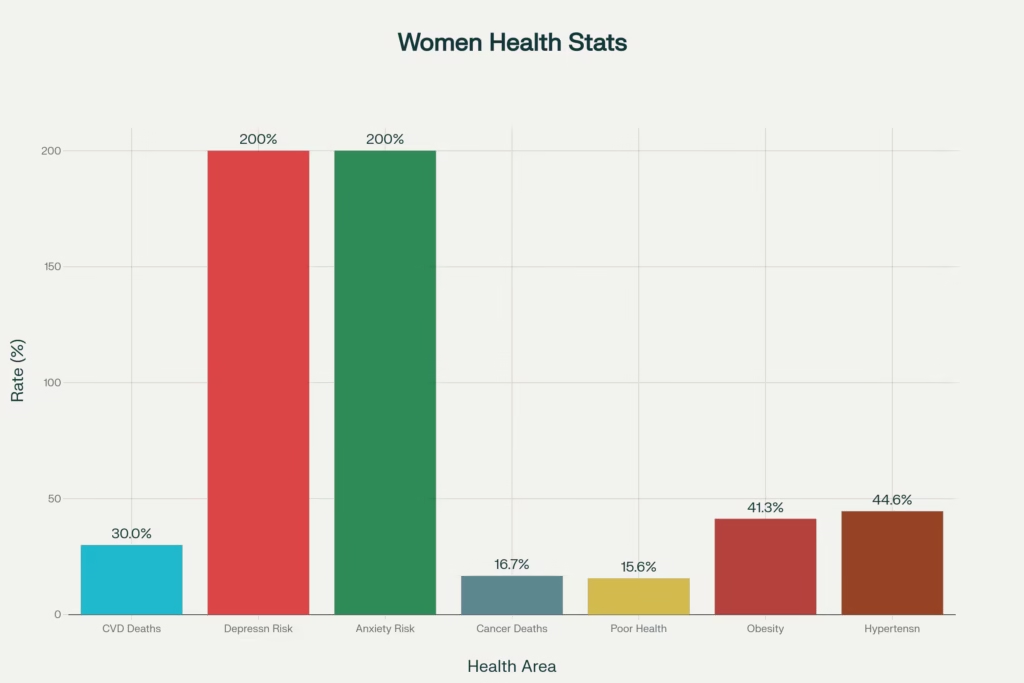
The statistics surrounding women’s health paint a picture that is both concerning and motivating. Understanding these numbers isn’t about creating fear – it’s about empowering women with knowledge that can save lives.
According to the CDC’s women’s health statistics, the data reveals significant health disparities and challenges:
Key Women’s Health Statistics
| Health Area | Statistic | Impact |
|---|---|---|
| Cardiovascular Disease | 30% of all women’s deaths | Leading cause of death in women worldwide |
| Mental Health – Depression | Women 2x more likely than men | Affects work, relationships, and quality of life |
| Mental Health – Anxiety | Women nearly 2x more likely than men | Often begins in adolescence and persists |
| Cancer Deaths | 1 in 6 deaths among women | Many preventable with early screening |
| Maternal Health | 287,000 global deaths in 2020 | 95% occur in low- and middle-income countries |
| Reproductive Autonomy | Only 55% can make own decisions | Affects family planning and health outcomes |
| Health Insurance | 8.8% uninsured (under 65) | Barriers to preventive care and treatment |
| Overall Health Status | 15.6% in fair/poor health | Indicates systemic healthcare gaps |
The Mental Health Crisis
The mental health statistics are particularly alarming. In Nepal’s recent national survey involving over 12,000 individuals, researchers found that women had a 21.9% prevalence of anxiety compared to 11.3% in men, and a 5.4% prevalence of depression versus 1.7% in men. These patterns are consistent globally, with the World Health Organization reporting that depression is approximately 50% more prevalent among women than men.
But here’s what’s most heartbreaking: despite higher rates of mental health challenges, women’s care-seeking behavior is similar to men’s. This suggests that the barrier isn’t willingness to seek help, but access to appropriate, understanding care.
The Hidden Health Gap: Why Women’s Health Is Underfunded and Underresearched
One of the most shocking revelations in women’s health is the massive funding gap that exists between women’s health burden and research investment. This isn’t just a number on a spreadsheet – it represents real women whose conditions go untreated, misunderstood, or poorly managed.
The $1 Trillion Opportunity
According to groundbreaking research from the McKinsey Health Institute, addressing the women’s health gap could unlock $1 trillion in annual global GDP by 2040. This isn’t just about doing the right thing morally – it’s about recognizing that women’s health is an economic imperative.
The research identifies nine conditions that account for one-third of women’s health gaps:
- Menopause
- Premenstrual syndrome (PMS)
- Endometriosis
- Maternal hypertensive disorder
- Post-partum hemorrhage
- Migraine
- Ischemic heart disease
- Cervical cancer
- Breast cancer
Check Out: Why Am I Losing Weight During Menopause Forum
Astonishingly, PMS, menopause, maternal health conditions, cervical cancer, and endometriosis make up 14% of the women’s health burden but received less than 1% of cumulative research funding between 2019 and 2023.
Regional Disparities in Women’s Cardiovascular Health
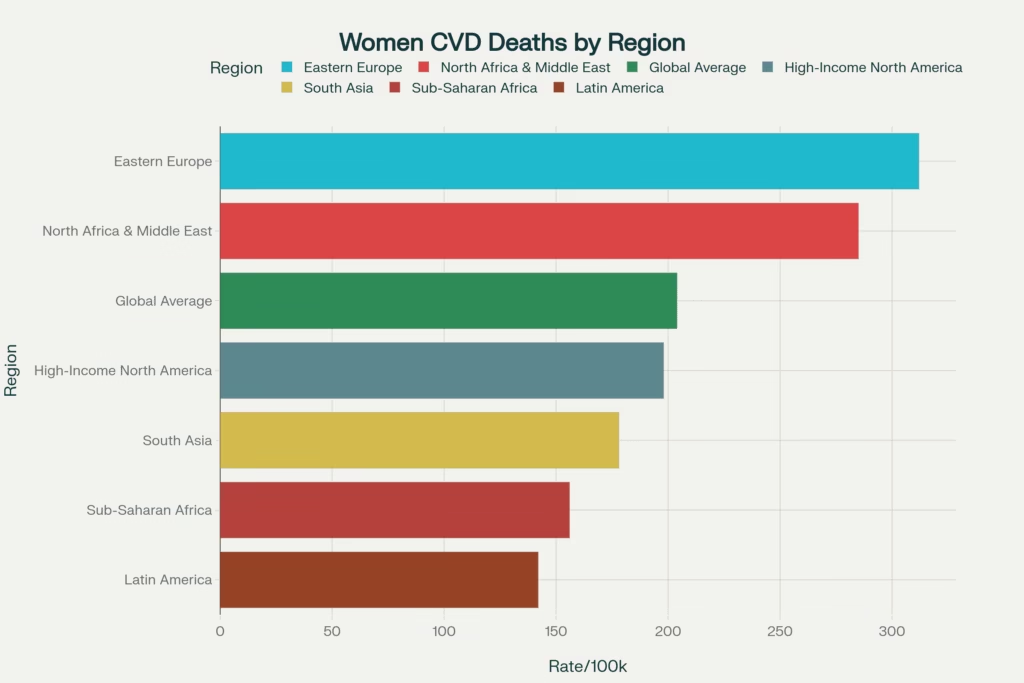
Cardiovascular disease affects women differently across the globe, with stark regional variations. The American Heart Association’s Go Red for Women campaign has been working since 2004 to address these disparities:
| Region | CVD Death Rate (per 100,000 women) |
|---|---|
| Eastern Europe | 312 |
| North Africa & Middle East | 285 |
| Global Average | 204 |
| High-Income North America | 198 |
| South Asia | 178 |
| Sub-Saharan Africa | 156 |
| Latin America | 142 |
These disparities reflect not just genetic differences, but profound inequalities in healthcare access, socioeconomic conditions, and cultural factors that influence women’s health outcomes.
Your Health Journey: Age-Specific Screening Guidelines
Understanding what screenings you need and when can be overwhelming. Here’s a comprehensive guide to help you navigate your health journey at every stage of life, based on guidelines from the U.S. Preventive Services Task Force.
Women’s Health Screening Guidelines by Age
| Age Group | Key Screenings | Focus Areas |
|---|---|---|
| 18-21 years | Annual wellness exam, Blood pressure, Mental health screening | Reproductive health, Mental wellness |
| 21-29 years | Pap smear every 3 years, STI testing, Blood pressure/cholesterol | Cervical cancer prevention, Sexual health |
| 30-39 years | Pap + HPV test every 5 years, Clinical breast exam, Diabetes screening | Fertility, Hormone health, Early detection |
| 40-49 years | Mammogram annually, Bone density (perimenopause), Colonoscopy prep | Breast cancer screening, Cardiovascular health |
| 50-64 years | Mammogram every 1-2 years, Colonoscopy every 10 years, DEXA scan | Cancer screening, Bone health, Heart disease |
| 65+ years | Continue mammogram, Colonoscopy, Osteoporosis screening | Chronic disease management, Fall prevention |
The Power of Early Detection
Maria’s story illustrates the life-saving power of regular screenings. At 43, she felt perfectly healthy and almost skipped her routine mammogram because she was “too busy.” That mammogram detected early-stage breast cancer that had no symptoms. Today, five years later, Maria is cancer-free and advocates for regular screenings, knowing that early detection literally saved her life.
Breaking Down Barriers: Common Health Challenges Women Face
Cardiovascular Disease: The Silent Killer
Heart disease is often thought of as a “man’s disease,” but it’s actually the leading cause of death in women worldwide. The American Heart Association’s research on women’s heart health shows that women’s heart disease symptoms can be different from men’s, leading to delayed diagnosis and treatment.
Common heart attack symptoms in women include:
- Chest discomfort (may feel like pressure, not sharp pain)
- Pain in arms, back, neck, jaw, or stomach
- Shortness of breath
- Nausea or vomiting
- Unusual fatigue
- Dizziness or lightheadedness
Mental Health: Breaking the Stigma
Women face unique mental health challenges throughout their lives:
Hormonal Influences:
- Premenstrual dysphoric disorder (PMDD)
- Postpartum depression and anxiety
- Perimenopausal mood changes
- Post-menopausal mental health shifts
Societal Pressures:
- Balancing career and family responsibilities
- Caregiver burden for children and aging parents
- Body image and self-esteem challenges
- Economic inequality and workplace discrimination
Reproductive Health: Beyond Pregnancy
Reproductive health encompasses far more than pregnancy and childbirth. Organizations like Planned Parenthood provide comprehensive reproductive health services that include:
- Menstrual Health: Regular periods, managing pain and heavy bleeding
- Fertility: Understanding your reproductive health at every age
- Contraception: Access to safe, effective birth control options
- Sexual Health: Prevention and treatment of STIs
- Menopause: Managing symptoms and maintaining health post-reproduction
Taking Action: Practical Steps for Better Women’s Health
1. Prioritize Preventive Care
Prevention is always better than treatment. Schedule regular check-ups even when you feel fine. Many conditions, from high blood pressure to early-stage cancers, have no symptoms in their early stages. The CDC’s women’s health resources provide comprehensive screening guidelines.
2. Know Your Family History
Understanding your genetic predisposition to certain conditions can help you and your healthcare provider make informed decisions about screening schedules and preventive measures.
3. Maintain a Healthy Lifestyle
Physical Activity: Aim for at least 150 minutes of moderate aerobic activity weekly
Nutrition: Focus on whole foods, plenty of vegetables, lean proteins, and healthy fats
Sleep: Prioritize 7-9 hours of quality sleep nightly
Stress Management: Develop healthy coping strategies like meditation, yoga, or counseling
The Office on Women’s Health fitness and nutrition resources offer practical guidance for maintaining a healthy lifestyle.
4. Advocate for Yourself
Don’t let your symptoms be dismissed. If something doesn’t feel right, keep pushing for answers. Seek second opinions when necessary, and don’t accept “it’s just stress” as a complete diagnosis without proper evaluation.
5. Build a Support Network
Connect with other women who share similar health concerns. Support groups, both online and in-person, can provide invaluable emotional support and practical advice. Organizations like Women in Global Health work to create supportive networks for women worldwide.
The Global Perspective: Women’s Health as a Human Right
Women’s health isn’t just a personal issue – it’s a human rights issue with profound implications for global development and prosperity. The World Health Organization’s priorities for women’s health outline critical areas where action is needed.
Maternal Health: A Global Crisis
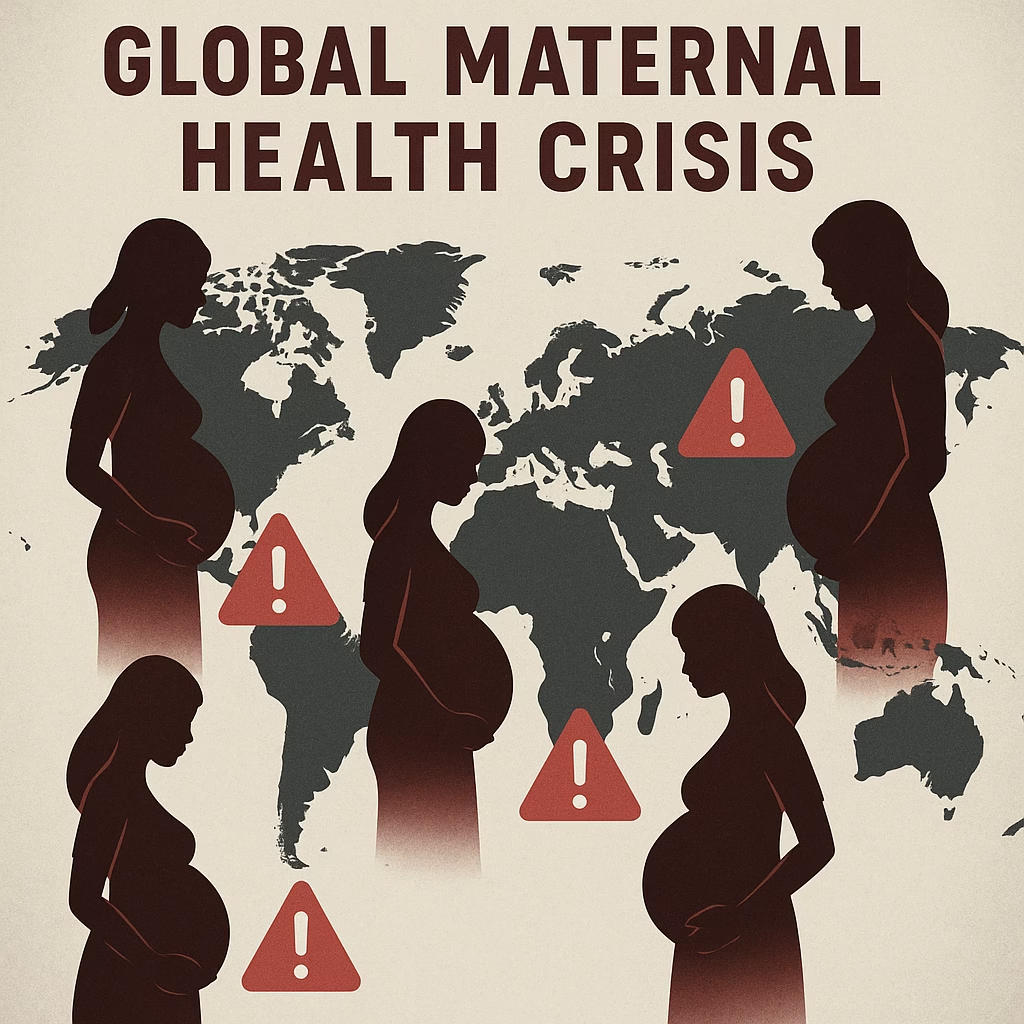
Despite significant progress, maternal mortality remains unacceptably high. In 2020, approximately 287,000 women died from pregnancy-related causes, with 95% of these deaths occurring in low- and middle-income countries. Sub-Saharan Africa and Southern Asia together accounted for 87% of global maternal deaths.
Also Read : The Ultimate Guide to Vaginal Health Test: Everything You Need to Know in 2025
Reproductive Rights and Decision-Making
A groundbreaking UNFPA study revealed that approximately one-quarter of women cannot refuse sex or make their own decisions about accessing proper healthcare. Only 55% of women can make their own decisions on sexual and reproductive health and rights. This lack of autonomy has profound implications for women’s health outcomes and overall well-being.
The Economic Impact: Investing in Women’s Health
Investing in women’s health isn’t just morally right – it’s economically smart. Research shows that every $1 invested in women’s health yields $3 in economic growth. When women are healthy, they:
- Participate more fully in the workforce
- Earn higher incomes
- Invest more in their families’ education and health
- Contribute to economic growth and stability
The potential economic impact is staggering. Addressing the women’s health gap could generate the equivalent impact of 137 million women accessing full-time positions by 2040, potentially lifting millions of women out of poverty.
Technology and Innovation: The Future of Women’s Health
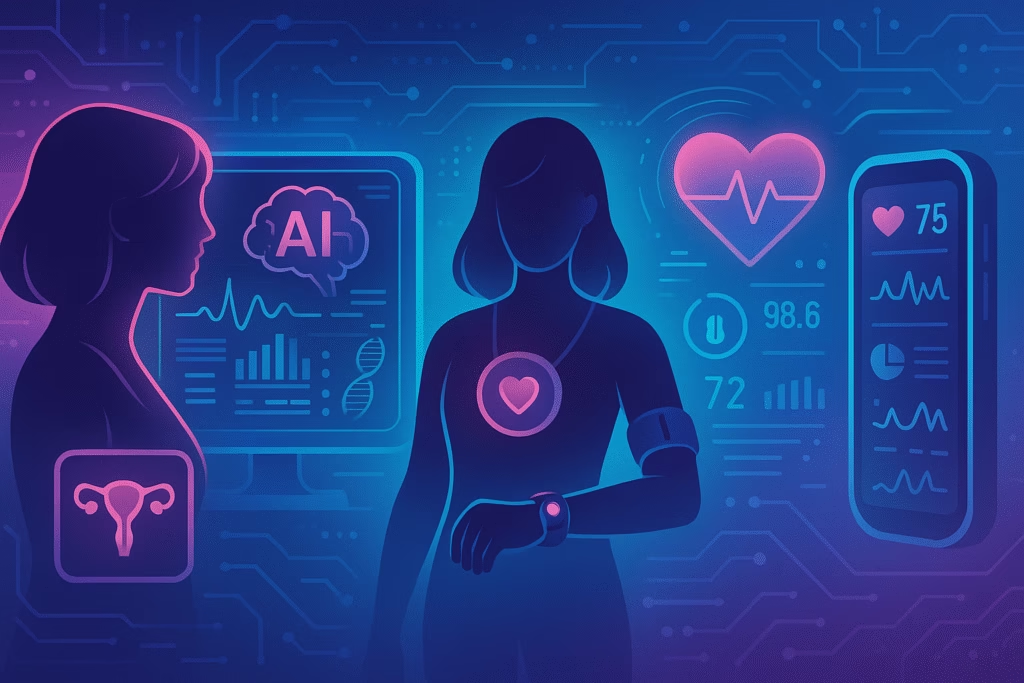
The future of women’s health is being shaped by groundbreaking innovations. The NIH’s Discover Women’s Health Research platform showcases cutting-edge research in:
Personalized Medicine
- Genetic testing for breast and ovarian cancer risk
- Pharmacogenomics to optimize medication selection
- Biomarker development for early disease detection
Digital Health Solutions
- Menstrual cycle tracking apps
- Telemedicine for reproductive health consultations
- AI-powered screening tools for cervical cancer
Research Advancements
- Increased inclusion of women in clinical trials
- Research into sex-specific disease mechanisms
- Development of female-specific medical devices
Frequently Asked Questions About Women’s Health Month
Q: When is Women’s Health Month observed?
A: Women’s Health Month is observed every May, officially beginning with National Women’s Health Week, which starts on Mother’s Day (second Sunday in May) and continues through the following Saturday. The National Women’s Health Week toolkit provides resources for participation.
Q: What are the most important health screenings for women?
A: Key screenings vary by age but typically include: cervical cancer screening (Pap smears), breast cancer screening (mammograms), cardiovascular screenings (blood pressure, cholesterol), bone density tests, and mental health assessments. Your healthcare provider can create a personalized screening schedule based on your age, risk factors, and health history.
Q: How does women’s health differ from men’s health?
A: Women face unique health challenges including reproductive health issues, higher rates of autoimmune diseases, different heart disease symptoms, increased mental health risks, and hormonal fluctuations throughout life. Women also respond differently to some medications and treatments.
Q: What can I do if I don’t have health insurance?
A: Many communities offer low-cost or free health services through community health centers, Planned Parenthood clinics, local health departments, and charity care programs at hospitals. The Health Resources and Services Administration (HRSA) website can help locate affordable care options in your area.
Q: How can I advocate for better women’s health in my community?
A: You can volunteer with women’s health organizations, participate in awareness campaigns, support policies that improve women’s healthcare access, donate to women’s health research, and share accurate health information with other women in your network. Organizations like HealthyWomen provide advocacy opportunities.
Q: What are the warning signs that I should see a doctor immediately?
A: Seek immediate medical attention for: chest pain or pressure, severe abdominal pain, sudden severe headache, difficulty breathing, signs of stroke (facial drooping, arm weakness, speech difficulties), heavy vaginal bleeding, or any symptoms that feel severe or unusual for you.
Taking Action: Your Women’s Health Month Commitment
As we observe Women’s Health Month 2025, let’s move beyond awareness to action. Here are specific steps you can take:
This Month:
- Schedule any overdue health screenings
- Have an honest conversation with your healthcare provider about your concerns
- Start or update your family health history
- Join a women’s health support group or online community
This Year:
- Commit to regular exercise that you enjoy
- Learn stress management techniques
- Build a relationship with healthcare providers who listen to and respect you
- Get involved in women’s health advocacy in your community
For Life:
- Prioritize your health as an investment in your future
- Stay informed about women’s health research and developments
- Mentor younger women about the importance of health advocacy
- Support policies and organizations that advance women’s health
Conclusion: A Future Where Women’s Health Thrives
Women’s Health Month 2025 represents more than just 31 days of awareness – it’s a catalyst for lasting change. Every woman deserves healthcare that understands her unique needs, respects her experiences, and provides comprehensive care throughout her lifetime.
When we invest in women’s health, we invest in the health of families, communities, and nations. We create a world where daughters grow up knowing their health matters, where mothers receive the care they deserve, and where women of all ages can live their fullest, healthiest lives.
The statistics are sobering, but they’re not destiny. Every screening scheduled, every symptom taken seriously, every research dollar invested in women’s health, and every conversation that breaks down stigma brings us closer to a world where the women’s health gap is just a memory.
Your health matters. Your voice matters. Your advocacy matters. This Women’s Health Month, let’s not just observe – let’s act, advocate, and create lasting change for women everywhere.
Remember: Taking care of your health isn’t selfish – it’s necessary. You can’t pour from an empty cup, and the world needs you healthy, strong, and thriving.
Together, we can close the women’s health gap, one woman, one screening, one conversation at a time.