Polycystic Ovary Syndrome (PCOS) affects millions of women worldwide, with recent studies showing a global prevalence of approximately 9.2% among women of reproductive age. This translates to over 116 million women globally dealing with this complex hormonal condition. While conventional treatments remain essential, many women are turning to complementary approaches like PCOS teas and herbal remedies to manage their symptoms naturally.
The growing body of research surrounding herbal teas for PCOS reveals promising results. Unlike quick fixes or miracle cures, these evidence-based botanical remedies work by addressing the root causes of PCOS symptoms—insulin resistance, chronic inflammation, and elevated androgen levels. However, understanding which teas truly deliver results requires careful examination of the scientific evidence.
This comprehensive guide explores eight herbal teas with proven benefits for PCOS management, backed by clinical research and expert insights. Whether you’re dealing with irregular periods, hirsutism, weight management challenges, or metabolic concerns, you’ll discover how specific teas can complement your existing treatment plan.

Table of Contents
Understanding PCOS: The Foundation for Effective Treatment
Before diving into specific teas, it’s crucial to understand the underlying mechanisms of PCOS. This complex endocrine disorder involves multiple interconnected systems:
Primary PCOS Characteristics:
- Insulin resistance (affecting 65-70% of women with PCOS)
- Elevated androgen levels (testosterone, DHEA-S)
- Chronic low-grade inflammation
- Hormonal imbalances affecting ovulation
Common Symptoms Include:
- Irregular or absent menstrual cycles
- Hirsutism (excessive hair growth on face and body)
- Male-pattern hair loss or thinning
- Acne and oily skin
- Weight gain, particularly around the midsection
- Difficulty losing weight
- Mood changes and depression
- Skin discoloration (acanthosis nigricans)
Understanding your specific PCOS phenotype helps determine which herbal teas will be most beneficial for your individual symptom profile.
The Science Behind Herbal Teas for PCOS
Herbal teas work through multiple mechanisms to address PCOS symptoms:
- Anti-androgenic effects: Reducing testosterone and other androgens
- Insulin sensitization: Improving glucose metabolism and reducing insulin resistance
- Anti-inflammatory action: Decreasing chronic inflammation markers
- Antioxidant properties: Protecting cells from oxidative stress
- Hormonal modulation: Supporting overall endocrine balance
Recent meta-analyses demonstrate that certain herbal teas can significantly impact hormone levels, metabolic markers, and quality of life in women with PCOS.
Top 8 Evidence-Based PCOS Teas
1. Spearmint Tea: The Anti-Androgen Powerhouse
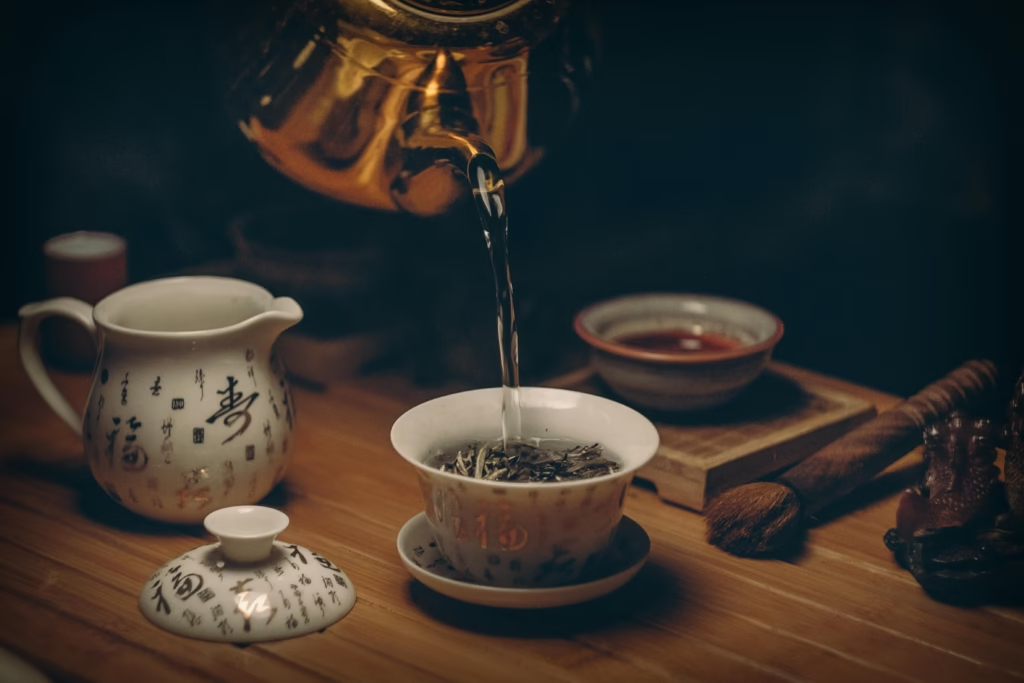
Spearmint tea (Mentha spicata) stands as the most researched herbal tea for PCOS, with multiple clinical trials demonstrating its anti-androgenic properties.
Research Evidence: A landmark study published in Phytotherapy Research found that women with PCOS who consumed two cups of spearmint tea daily for 30 days experienced:
- 23.8% reduction in free testosterone levels
- 32.2% decrease in total testosterone
- Significant reduction in hirsutism scores
- Increased FSH and LH levels
Mechanism of Action: Spearmint contains compounds that inhibit 5-alpha reductase, the enzyme responsible for converting testosterone to its more potent form, dihydrotestosterone (DHT).
Optimal Dosage: 2 cups daily (morning and evening) Best For: Women with elevated testosterone, hirsutism, and acne Preparation: Steep 1-2 teaspoons dried spearmint leaves in hot water for 5-7 minutes
Caution: Women with already low testosterone levels or those trying to conceive should consult healthcare providers before regular consumption.
2. Green Tea: The Metabolic Enhancer
Green tea’s benefits for PCOS extend beyond its widely known antioxidant properties. The active compound EGCG (epigallocatechin gallate) offers specific advantages for women managing PCOS.
Research Findings: Two recent meta-analyses analyzing green tea’s effects on PCOS revealed:
- Significant reduction in body weight and BMI
- Decreased fasting glucose and insulin levels
- Lower free testosterone concentrations
- Improved insulin sensitivity
Key Benefits:
- Supports weight management efforts
- Enhances insulin sensitivity
- Provides potent antioxidant protection
- May improve cardiovascular health markers
Optimal Dosage: 2-3 cups daily or green tea extract as directed Best For: Women with insulin resistance, weight management goals Preparation: Steep green tea for 3-5 minutes in water heated to 160-180°F (not boiling)
Note: Most studies used green tea extract rather than brewed tea, so concentrated forms may offer more pronounced benefits.
3. Marjoram Tea: The DHEA-S Reducer
Marjoram (Origanum majorana) shows particular promise for women with elevated DHEA-S levels, a common finding in certain PCOS phenotypes.
Clinical Evidence: A controlled study demonstrated that consuming 2 cups of marjoram tea daily for one month resulted in:
- Significant decrease in DHEA-S levels
- Improved insulin sensitivity markers
- Enhanced overall hormonal balance
Unique Benefits:
- Specifically targets adrenal androgen production
- Supports insulin sensitivity
- Offers calming, stress-reducing properties
- Provides digestive support
Optimal Dosage: 2 cups daily Best For: Women with elevated DHEA-S, adrenal-type PCOS Preparation: Steep 1 tablespoon dried marjoram in hot water for 10 minutes
4. Cinnamon Tea: The Insulin Sensitizer
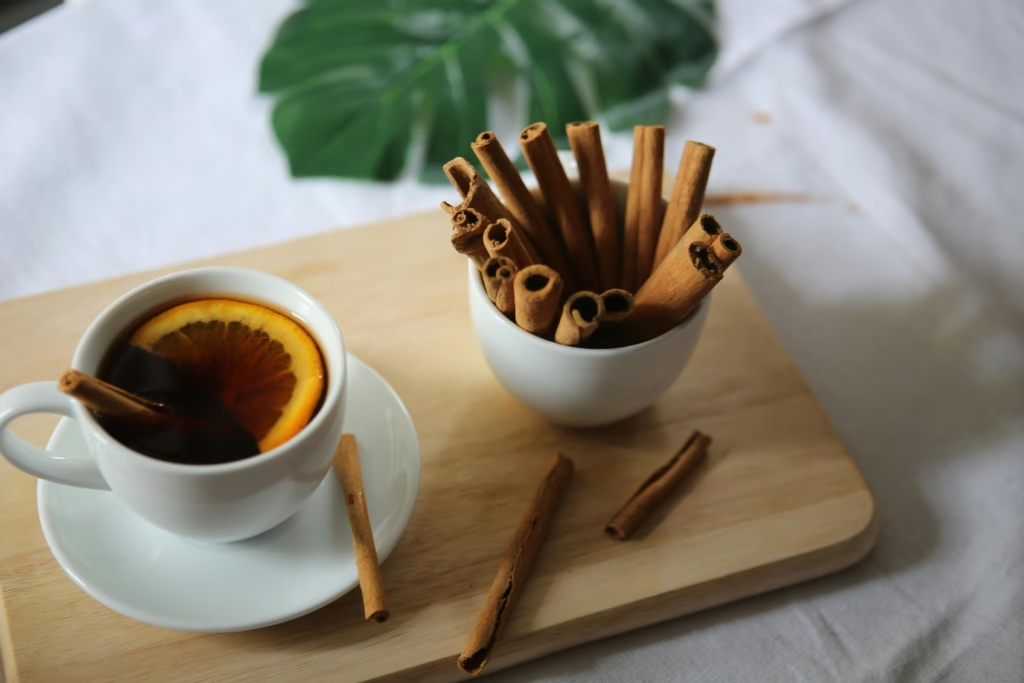
Cinnamon’s benefits for PCOS primarily center on its ability to improve insulin sensitivity and glucose metabolism.
Research Support: Systematic reviews of cinnamon supplementation in PCOS show:
- Significant reductions in fasting glucose and insulin
- Improved insulin resistance markers
- Better menstrual regularity
- Increased ovulatory cycles
- Favorable effects on cholesterol levels
Active Compounds: Cinnamaldehyde and other bioactive compounds help muscles absorb glucose more effectively, reducing insulin demand.
Optimal Dosage: 1-2 cups daily Best For: Women with insulin resistance, irregular cycles Preparation: Simmer 1 cinnamon stick in water for 10-15 minutes, or steep 1/2 teaspoon ground cinnamon
Additional Tip: Combine cinnamon with other foods throughout the day for enhanced benefits.
5. Ginger Tea: The Anti-Inflammatory Ally
Ginger (Zingiber officinale) offers multiple benefits for PCOS management through its anti-inflammatory and metabolic effects.
Research Insights: Animal studies and emerging human research suggest ginger can:
- Lower fasting glucose and insulin levels
- Reduce inflammatory markers
- Support weight management
- Decrease androgen levels
- Improve digestive function
Additional Benefits:
- Reduces nausea and digestive discomfort
- Supports circulation
- Provides natural pain relief
- Enhances overall well-being
Optimal Dosage: 1-2 cups daily Best For: Women with inflammation, digestive issues, metabolic concerns Preparation: Steep fresh ginger slices or 1/2 teaspoon ground ginger for 5-10 minutes
6. Chamomile Tea: The Stress Reducer
While not extensively studied specifically for PCOS, chamomile’s anti-inflammatory and stress-reducing properties make it a valuable addition to a PCOS management protocol.
Potential Benefits:
- Reduces cortisol levels and stress response
- Provides anti-inflammatory effects
- Supports better sleep quality
- May help with anxiety and mood issues
- Offers mild insulin-sensitizing properties
Optimal Dosage: 1-2 cups daily, particularly in the evening Best For: Women with stress-related PCOS symptoms, sleep issues Preparation: Steep chamomile flowers for 5-7 minutes
7. Licorice Root Tea: The Hormone Modulator
Licorice root contains compounds that can influence hormone metabolism, though it requires careful consideration due to potential side effects.
Potential Benefits:
- May help reduce testosterone levels
- Supports adrenal function
- Provides anti-inflammatory effects
- May help with digestive issues
Important Considerations:
- Can raise blood pressure with prolonged use
- May interact with certain medications
- Should be used under professional guidance
- Not recommended for long-term daily consumption
Optimal Dosage: 1 cup daily, 3-4 times per week maximum Best For: Women with mild androgen elevation (short-term use)
8. Red Raspberry Leaf Tea: The Reproductive Supporter
Red raspberry leaf has traditionally been used to support women’s reproductive health and may offer benefits for PCOS management.
Potential Benefits:
- Supports uterine health
- May help regulate menstrual cycles
- Provides essential minerals (magnesium, potassium)
- Offers mild astringent properties
- Supports overall reproductive wellness
Optimal Dosage: 1-2 cups daily Best For: Women focusing on cycle regulation and reproductive health Preparation: Steep 1-2 teaspoons dried leaves for 10-15 minutes
Creating Your Personal PCOS Tea Protocol
Combination Strategies
Rather than relying on a single tea, many women find success combining different herbal teas based on their specific symptoms:
For High Androgen Levels:
- Morning: Spearmint tea
- Afternoon: Green tea
- Evening: Chamomile tea
For Insulin Resistance:
- Morning: Cinnamon tea
- Midday: Green tea
- Evening: Ginger tea
For Irregular Cycles:
- Morning: Red raspberry leaf tea
- Afternoon: Marjoram tea
- Evening: Chamomile tea
Timing and Preparation Tips
Optimal Timing:
- Morning teas: Green tea, cinnamon tea (energizing)
- Afternoon teas: Spearmint, marjoram, ginger
- Evening teas: Chamomile, red raspberry leaf (calming)
Preparation Best Practices:
- Use filtered water for best taste and quality
- Don’t over-steep to avoid bitterness
- Consider organic options when available
- Store teas in airtight containers away from light
- Rotate teas to prevent tolerance and maintain variety
Dosage Guidelines and Safety Considerations
General Guidelines:
- Start with 1 cup daily and gradually increase
- Allow 4-6 weeks to assess benefits
- Track symptoms and cycle changes
- Consider cycling teas (3 weeks on, 1 week off)
Safety Considerations:
- Consult healthcare providers before starting any new regimen
- Be aware of potential medication interactions
- Monitor for adverse reactions
- Pregnant or breastfeeding women should avoid certain herbs
- Those with hormone-sensitive conditions need professional guidance
Maximizing Tea Benefits: Lifestyle Integration
Complementary Approaches
Herbal teas work best as part of a comprehensive PCOS management strategy:
Dietary Considerations:
- Follow an anti-inflammatory diet rich in whole foods
- Focus on low-glycemic foods to support insulin sensitivity
- Include adequate protein and healthy fats
- Consider intermittent fasting under professional guidance
Exercise Integration:
- Combine regular physical activity with tea consumption
- Focus on both cardio and resistance training
- Consider yoga and stress-reducing activities
- Time tea consumption around workouts for optimal benefits
Stress Management:
- Use tea rituals as mindfulness practices
- Combine with meditation or relaxation techniques
- Ensure adequate sleep (7-9 hours nightly)
- Address chronic stress through various modalities
Tracking Your Progress
Key Metrics to Monitor:
- Menstrual cycle regularity and length
- Hirsutism scores and hair growth patterns
- Weight and body composition changes
- Energy levels and mood improvements
- Sleep quality and stress levels
- Laboratory markers (when available)
Documentation Methods:
- Keep a symptom and tea consumption diary
- Use cycle tracking apps
- Take progress photos for visual changes
- Schedule regular check-ins with healthcare providers
When to Expect Results and Managing Expectations
Timeline for Benefits
Short-term (2-4 weeks):
- Improved energy levels
- Better digestion
- Enhanced sleep quality
- Reduced stress and anxiety
Medium-term (1-3 months):
- Changes in hair growth patterns
- Cycle length improvements
- Mood stabilization
- Weight management progress
Long-term (3-6 months):
- Significant hormonal changes
- Sustained cycle regularity
- Noticeable reduction in hirsutism
- Metabolic improvements
Realistic Expectations
While herbal teas can provide significant benefits for PCOS management, it’s important to maintain realistic expectations:
- Teas are complementary therapies, not replacements for medical treatment
- Individual responses vary based on PCOS type and severity
- Consistency is key for optimal results
- Some women may need additional interventions
- Professional monitoring enhances safety and effectiveness
Potential Side Effects and Contraindications
Common Side Effects
Mild Side Effects:
- Digestive upset with certain teas
- Changes in menstrual patterns (initially)
- Caffeine sensitivity with green tea
- Allergic reactions (rare)
When to Use Caution:
- Pregnancy and breastfeeding
- Hormone-sensitive conditions
- Blood pressure medications
- Diabetes medications
- Liver conditions
Drug Interactions
Certain herbal teas may interact with medications:
- Green tea with blood thinners
- Licorice root with blood pressure medications
- Cinnamon with diabetes medications
- Always consult healthcare providers about potential interactions
Frequently Asked Questions
Q: Can I drink multiple PCOS teas in one day? A: Yes, you can safely combine different teas throughout the day. Start with 1-2 types and gradually add others based on your tolerance and needs.
Q: How long should I continue drinking PCOS teas? A: Many women find long-term benefits with continued use. However, consider cycling teas and regularly reassessing your needs with healthcare providers.
Q: Are tea bags as effective as loose leaf teas? A: Loose leaf teas generally contain higher concentrations of active compounds, but quality tea bags can also be effective. Choose reputable brands with minimal processing.
Q: Can teens with PCOS safely drink these teas? A: While many teas are generally safe, adolescents should always consult healthcare providers before starting any herbal regimen, as hormonal changes during puberty require careful consideration.
Q: What if I don’t like the taste of certain teas? A: Many teas can be enhanced with natural additions like lemon, honey, or other herbs. You can also try different brands or preparation methods to find flavors you enjoy.
The Bottom Line: A Holistic Approach to PCOS Management
Herbal teas represent a promising and accessible complementary approach to PCOS management. The growing body of research, particularly around spearmint, green tea, and marjoram, provides encouraging evidence for their therapeutic potential. However, success with herbal teas requires patience, consistency, and realistic expectations.
Remember that PCOS is a complex condition requiring comprehensive care. While herbal teas can significantly support your health journey, they work best when combined with appropriate medical care, nutritional strategies, regular exercise, and stress management techniques.
The key to success lies in finding the right combination of teas for your specific symptoms, maintaining consistency in consumption, and working closely with healthcare providers to monitor your progress. With time and dedication, many women find that incorporating evidence-based herbal teas into their daily routine becomes not just a therapeutic practice, but a cherished ritual of self-care and healing.
Start slowly, listen to your body, and celebrate small improvements along the way. Your journey with PCOS is unique, and the right combination of natural approaches, including herbal teas, can help you achieve better symptom management and improved quality of life.
Disclaimer: This information is for educational purposes only and should not replace professional medical advice. Always consult with healthcare providers before starting any new treatment regimen, especially if you have underlying health conditions or take medications.
Authoritative Sources:
- Association of Herbal Tea and Follicle-Stimulating Hormone, Anthropometric Parameters, and Fasting Blood Glucose Levels Among Polycystic Ovarian Syndrome Women: A Systematic Review and Meta-Analysis
- Effects of Tea Consumption on Anthropometric Parameters, Metabolic Indexes and Hormone Levels of Women with PCOS: A Meta-Analysis
- Spearmint herbal tea has significant anti-androgen effects in polycystic ovarian syndrome
- Global prevalence of polycystic ovary syndrome in women worldwide: A comprehensive systematic review
- World Health Organization – Polycystic ovary syndrome