Mustard for Heartburn—often described as a burning sensation behind the breastbone—affects millions and is frequently managed with home remedies long before people try medications or see a clinician. Among the most talked-about pantry fixes is a simple spoonful of yellow mustard, which many say eases burning within minutes. But does mustard really help heartburn, and if so, why? This in-depth, humanized guide examines the science, the myths, real-world considerations, and safer ways to experiment—plus when symptoms signal something more serious.
This article aims to be comprehensive and practical while staying grounded in what the evidence actually supports. It also includes comparative tables, statistics from reputable sources where available, and simple visualizations to help make sense of mixed claims.
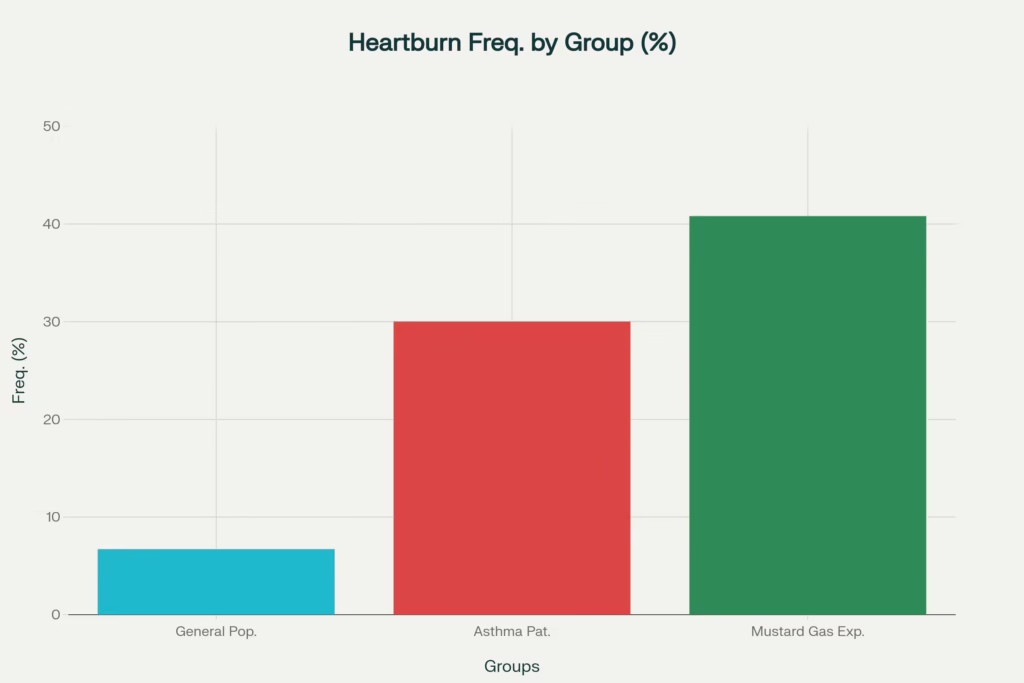
Table of Contents
What Causes Heartburn?
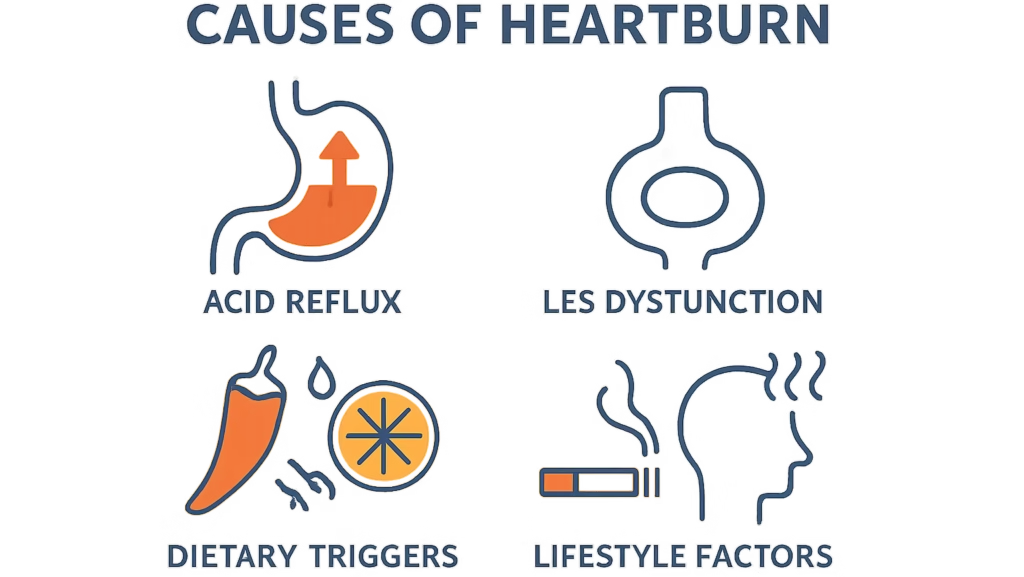
Heartburn happens when stomach contents (acid, pepsin, bile) travel upward into the esophagus, irritating tissue that isn’t built to withstand acid exposure. The most common driver is inappropriate relaxation of the lower esophageal sphincter (LES), a muscle valve between the esophagus and stomach; it can relax too frequently or at the wrong time, allowing reflux. Lifestyle, diet, body weight, medications, and anatomical factors (like a hiatal hernia) can also contribute.
The Mustard Remedy: What People Report vs. What We Know
- Many people anecdotally report rapid relief with 1 teaspoon to 1 tablespoon of plain yellow mustard when heartburn strikes. However, clinicians emphasize that there’s no direct clinical research showing mustard itself treats reflux or heartburn.
- Experts note that while a spoonful of mustard is unlikely to cause harm for occasional symptoms, it’s not a substitute for evidence-based therapy if heartburn occurs 2–3 times weekly or more.
- Some articles speculate mustard’s perceived benefits might relate to turmeric-derived curcumin (which colors some mustard) or the condiment’s acidity/alkalinity dynamics, but this remains unproven.
In short: mustard’s benefits for heartburn are anecdotal—not evidence-based—though trying a small amount occasionally is reasonable for otherwise healthy adults who have infrequent symptoms.
The Curcumin Connection: Why Mustard Gets Credit
Curcumin, the active pigment in turmeric (which gives yellow mustard its color in some formulations), has demonstrated anti-inflammatory and analgesic properties in the digestive tract and has been studied for functional dyspepsia. A randomized, double-blind controlled trial of 206 adults in Thailand reported that curcumin produced symptom improvements comparable to omeprazole over 8 weeks for functional dyspepsia; however, this study was not designed to test heartburn/GERD specifically and used curcumin supplements—not mustard. Translating these findings to “mustard cures heartburn” is a leap the data do not support.
- Bottom line: curcumin may help functional dyspepsia in some contexts, but that doesn’t validate mustard as an anti-heartburn therapy, and no clinical trials have tested mustard for reflux.
Apple Cider Vinegar vs. Mustard: Why the Confusion?
Apple cider vinegar (ACV) is another popular home remedy promoted for heartburn, often justified by a theory that “low stomach acid” leads to reflux and adding acid can stabilize the LES. But:
- There is no robust evidence ACV treats heartburn, and in some people—especially those with an irritated esophagus—vinegar can worsen burning.
- Case reports describe corrosive esophageal injury with overuse or undiluted acidic beverages, though this is rare and involved misuse.
- Major medical sources emphasize lifestyle changes and proven therapies over ACV for ongoing reflux.
Given this, ACV is not a reliable benchmark for mustard’s effectiveness and may actually be irritating for some.
Why Mustard Might Help Some People (Hypotheses, Not Proof)
These mechanisms are proposed by clinicians and writers exploring home remedies but have not been clinically validated for mustard:
- Curcumin effects: If a mustard brand includes turmeric, curcumin’s anti-inflammatory properties could theoretically blunt symptom perception in dyspepsia, not necessarily reflux itself.
- Alkaline ingredients: Some naturopathic sources claim mustard’s net effect could be neutralizing due to certain ingredients, but this is not substantiated in clinical studies.
- Placebo and timing: Symptoms sometimes resolve spontaneously within minutes, so perceived benefit may be coincidence or placebo effect.
Again, these are hypotheses, not evidence-based mechanisms.
Who Should Avoid Mustard for Heartburn
- Individuals with frequent heartburn (≥2–3 times/week), possible GERD, or alarm symptoms should not self-treat with mustard in place of proper evaluation and therapy.
- Those with sodium-sensitive hypertension should be cautious—many mustards are high in sodium.
- People with IBS following low-FODMAP plans should review labels (garlic/onion powders and sweeteners may trigger symptoms).
- Those who find spicy or acidic condiments exacerbate their reflux should avoid mustard trials.
Practical, Low-Risk Way to Try Mustard (If Symptoms Are Occasional)
If heartburn is infrequent and there are no red flags, trying mustard conservatively is reasonable:
- Start with 1 teaspoon of plain, yellow mustard (not spicy brown or Dijon), preferably without added garlic/onion powders if sensitive.
- Avoid brands with extra spices or high heat that can relax the LES or irritate the esophagus.
- Rinse with a small sip of water to clear residual acidity from the mouth if taste lingers.
- If symptoms worsen, discontinue and consider other approaches.
- Do not use mustard as a regular or preventive therapy; recurring heartburn requires medical guidance.
Clinicians broadly agree: occasional pantry remedies are fine to try, but persistent symptoms require proper diagnosis and treatment.
What Evidence-Based Options Actually Help
- Antacids, H2 blockers, and proton pump inhibitors (PPIs) are proven therapies for heartburn and GERD when appropriately used.
- Lifestyle measures with the best support include weight management, avoiding late-night meals, elevating the head of the bed for nocturnal symptoms, and identifying/pacing trigger foods.
- When symptoms are frequent, a clinician may recommend a structured trial of an H2 blocker or PPI, evaluation for H. pylori, or investigation for complications (esophagitis, Barrett’s).
Table: Mustard vs. Common Heartburn Approaches
Sources: clinical commentary and consumer guidance from major providers and reviews.
Common Myths About Mustard and Heartburn
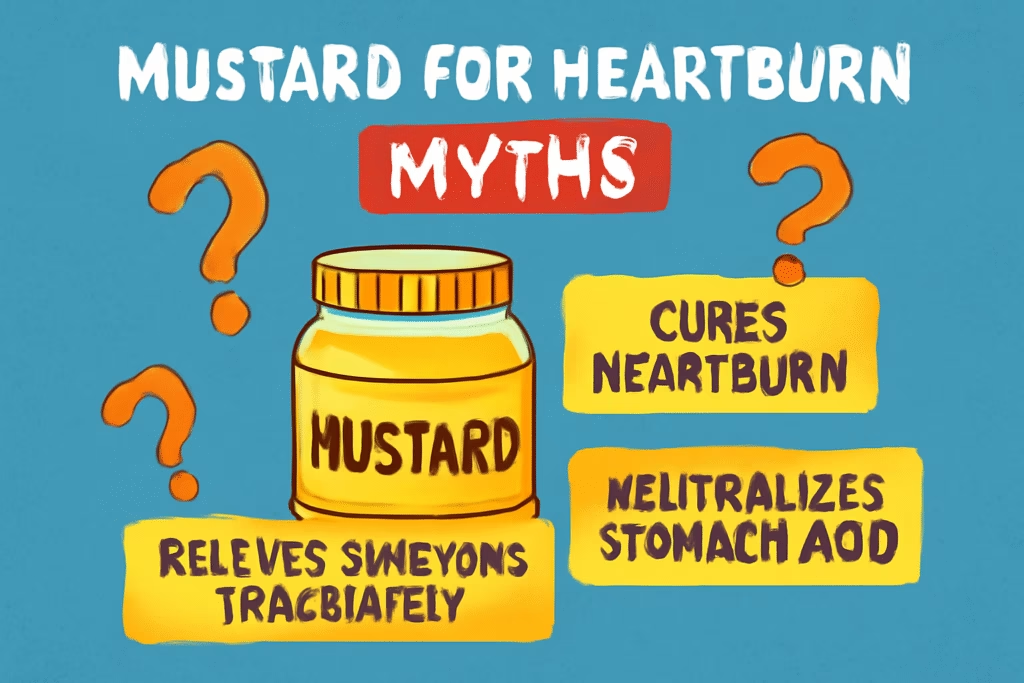
- Myth: “Mustard is alkaline and neutralizes stomach acid.” Reality: Product formulations vary and contain acidic components like vinegar; neutralization claims are not supported by clinical data.
- Myth: “Mustard works because it’s basically curcumin.” Reality: Mustard may or may not include turmeric; even when present, curcumin trials were for functional dyspepsia, not heartburn/GERD, and used supplements, not condiments.
- Myth: “If mustard helps, I don’t need medication.” Reality: Frequent heartburn can damage the esophagus and requires proper evaluation; pantry remedies are not substitutes for therapy.
Safety Notes and Red Flags
- Try pantry remedies only for occasional symptoms and discontinue if symptoms worsen.
- Red flags: trouble swallowing, unintentional weight loss, vomiting, gastrointestinal bleeding, persistent hoarseness or chronic cough—these warrant medical evaluation.
- If symptoms occur ≥2–3 times per week or wake from sleep, consult a clinician for GERD assessment.
Graph: Strength of Evidence for Selected Heartburn Remedies
- Strong evidence: PPIs, H2 blockers, antacids for symptomatic relief (pharmacological).
- Moderate evidence: Lifestyle changes (weight, meal timing, bed elevation), dietary pattern adjustments.
- Weak/insufficient evidence: Mustard, ACV, assorted “quick hacks” without trials.
This hierarchy reflects medical reviews emphasizing tested therapies over anecdotal remedies.
Statistics Snapshot: How Common Is Heartburn and What Helps?
- Heartburn and reflux symptoms are common, driving significant OTC medication use and frequent online searches for home remedies; medical guidance continues to stress that evidence for ACV and mustard is lacking while pharmacologic and lifestyle approaches are effective.
- Functional dyspepsia affects a substantial portion of the population and may respond to therapies different from GERD; curcumin has shown promise in this context, but not as a condiment and not specifically for reflux.
While precise prevalence figures vary by region and definition, the take-home is consistent: use proven therapies for frequent symptoms and treat anecdotal remedies like mustard as optional, low-stakes experiments—not solutions.
How to Support Heartburn Relief Without Relying on Mustard
- Eat smaller, earlier dinners; avoid lying down within 3 hours of eating.
- Identify triggers (fatty meals, chocolate, peppermint, alcohol, caffeine, acidic foods) and adjust rather than eliminate everything at once.
- Elevate the head of the bed for nighttime symptoms.
- Reach a healthy body weight to reduce abdominal pressure and LES strain.
- Discuss appropriate trial durations and dosages for H2 blockers or PPIs with a clinician if symptoms persist.
When Mustard Might Make Sense
- The person has infrequent, mild heartburn without red flags.
- They prefer to try a low-risk, inexpensive pantry remedy once to see if they personally notice relief.
- They choose plain yellow mustard with minimal added spices and modest sodium content, and they avoid making it a daily habit.
If it doesn’t help—or symptoms recur often—shift to evidence-based strategies and consult a clinician.
Table: Choosing a Mustard (If You Experiment)
Putting It All Together: A Practical Plan
- Clarify symptom pattern. Occasional heartburn with clear triggers can be managed conservatively; frequent or severe symptoms need medical evaluation.
- Trial low-risk measures first. Meal timing, quantity, and trigger awareness go a long way.
- Consider quick OTC relief. Antacids provide rapid but short-lived benefit; H2 blockers can help as needed; PPIs are for more frequent symptoms under guidance.
- If curious, test mustard once. Use 1 teaspoon plain yellow mustard; stop if ineffective or irritating.
- Reassess within 1–2 weeks. If symptoms persist or increase in frequency, seek evaluation for GERD and discuss evidence-based treatment.
Frequently Asked Questions
- Does mustard cure GERD?
No—there are no clinical trials showing mustard treats GERD; at best, it is an anecdotal, occasional remedy. - Is curcumin the same as mustard?
No—curcumin is a compound from turmeric; some mustards include turmeric for color, but the amount and bioavailability bear no resemblance to standardized curcumin supplements studied for dyspepsia. - Is ACV safer or better than mustard?
Neither is evidence-based for heartburn; ACV can worsen symptoms in some and has rare safety concerns with misuse, so it’s not preferred for reflux. - Can lifestyle changes really help?
Yes—timing meals, reducing trigger foods, weight management, and bed elevation are consistently recommended and supported by clinical guidance. - When should someone see a doctor?
If heartburn occurs ≥2–3 times weekly, interrupts sleep, or occurs with red flags (trouble swallowing, bleeding, weight loss, persistent cough/hoarseness), seek medical evaluation.
Final Takeaway
A spoonful of mustard is a popular folk remedy with many personal success stories—but it lacks clinical evidence for heartburn relief and should not replace proven therapies for frequent symptoms. If symptoms are rare, trying a small amount of plain yellow mustard is reasonable as a one-off experiment, watching for any worsening or irritation. For ongoing or severe reflux, prioritize lifestyle measures and evidence-based medications, and involve a clinician to prevent complications and tailor treatment.
By separating anecdotes from evidence and using a sensible, stepwise plan, it’s possible to manage heartburn safely and effectively—without relying on myths or miracle claims.
References embedded in text:
- Expert guidance and commentary on mustard and home remedies.
- Functional dyspepsia trial involving curcumin vs. omeprazole (not mustard/GERD).
- Cautions and lack of evidence for ACV in heartburn; potential for irritation.
- Practical, evidence-based heartburn and GERD management strategies.
Here are some external sources with URLs that provide information on the topic of mustard for heartburn, including anecdotal reports, expert commentary, and some discussion of related compounds like curcumin:
- An article from New Haven Register where a reader shares their experience using mustard for heartburn relief and mentions turmeric’s anti-inflammatory properties:
https://www.nhregister.com/news/article/Mustard-did-the-trick-for-heartburn-11576912.php - MidState Medical Center expert commentary expressing that there is no scientific evidence supporting mustard as heartburn treatment while acknowledging its common use as a home remedy:
https://thocc.org/about/news-press/news-detail?articleId=51785&publicid=462 - FoodGuides article discussing the limited scientific support but exploring mustard’s historical uses and considerations regarding ingredients:
https://foodguides.com/blogs/from-the-experts/mustard-for-heartburn-relief-exploring-natural-remedies-and-effects - Peoples Pharmacy article highlighting new research on curcumin (a component sometimes in mustard) showing potential for digestive symptom relief, but clarifying this is not the same as mustard directly treating heartburn:
https://www.peoplespharmacy.com/articles/do-you-swallow-a-spoonful-of-mustard-for-heartburn-curcumin-vs
These sources combined reflect the current understanding that mustard’s heartburn relief is largely anecdotal, with no conclusive clinical trials confirming its effectiveness, and any benefits may be related to curcumin or placebo effects rather than mustard itself.
If you want detailed, scientific insights or guides, these links can be helpful references. Let me know if you need a summary or interpretation based on these materials.
Medical Disclaimer
The content provided in this article about mustard for heartburn is intended for informational and educational purposes only. It does not constitute medical advice and should not be used as a substitute for consultation, diagnosis, or treatment by a qualified healthcare professional. If you experience frequent, severe, or persistent heartburn or acid reflux symptoms, or if you have any concerns about your health, please seek prompt advice from your physician or healthcare provider. Do not ignore or delay seeking medical attention based on information provided here. Individual responses to remedies like mustard may vary, and some conditions require professional evaluation and evidence-based treatment.
Also Read
Does High Cholesterol Cause Headaches? The Complete Guide to Understanding the Connection
Unlock the Life-Changing ROAM Diet: Your Ultimate Guide to Effortless Healthy Living