
The homogeneous enhancement of the pancreas is a radiological term you may encounter after a CT or MRI scan. Though it may sound alarming, this phrase often indicates a uniform appearance in the pancreatic tissue following contrast imaging. This article dives deep into this concept, offering 7 powerful insights to better understand what this enhancement means, when it’s normal, and when it may point to an underlying condition.
In the world of medical diagnostics, contrast enhancement plays a crucial role in visualizing organ health. With the pancreas being one of the most vital yet sensitive organs in the body, understanding its radiological patterns—especially homogeneous enhancement—can be pivotal in early diagnosis and timely intervention.
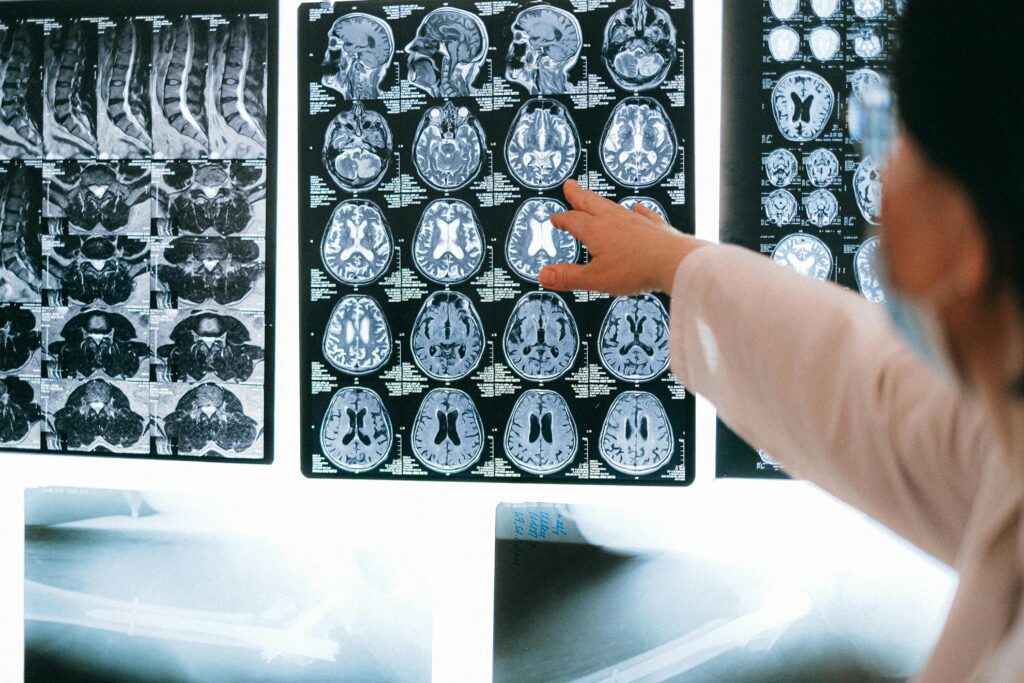
Table of Contents
What is Homogeneous Enhancement of the Pancreas?
“Homogeneous enhancement” refers to a consistent and uniform uptake of contrast agent in pancreatic tissue during an imaging test like a CT scan or MRI. It’s usually a sign that the tissue is well-vascularized and not infiltrated with tumors, necrosis, or fibrosis.
Contrast agents improve visibility of soft tissues by making blood vessels and organs more distinct. If the pancreas enhances uniformly, it typically reflects healthy, functioning tissue, although exceptions exist based on symptoms and other findings.
10 Best Blood Sugar Supplements: Evidence-Based Review & Buyer’s Guide
Why Pancreatic Imaging Matters: Understanding CT and MRI Scans
The pancreas may be small, but it plays a huge role in digestion and blood sugar control. Located deep in the abdomen, it produces enzymes that help break down food and hormones like insulin that regulate blood glucose.
When problems arise — such as pancreatitis, cysts, or tumors — the pancreas can be difficult to evaluate with a simple physical exam. That’s where medical imaging becomes essential.
Two of the most widely used techniques are CT (Computed Tomography) and MRI (Magnetic Resonance Imaging). These imaging tools allow doctors to see inside the body, detect disease early, and guide treatment decisions.
🔹 Why Pancreatic Imaging Matters
- Early Detection of Disease: Conditions like pancreatic cancer or chronic pancreatitis often don’t show symptoms until advanced stages. Imaging helps detect them sooner.
- Guiding Treatment Plans: Imaging shows the location, size, and extent of abnormalities, helping doctors decide between surgery, medication, or monitoring.
- Monitoring Progress: For patients already diagnosed, CT and MRI help track whether treatment is working.
- Minimally Invasive Insight: Unlike exploratory surgery, imaging provides clear internal views without major risks.
📊 Fact: According to the American Cancer Society, pancreatic cancer is one of the deadliest cancers, with a 5-year survival rate of only 13% — making early and accurate imaging vital.
🔹 CT Scan of the Pancreas
What It Is
A CT scan uses X-rays and computer processing to create detailed cross-sectional images of the pancreas and surrounding organs.
When It’s Used
- Detecting pancreatic tumors or cysts
- Evaluating acute or chronic pancreatitis
- Checking for blockages in bile or pancreatic ducts
- Guiding biopsy procedures
Advantages
- Quick (usually under 15 minutes)
- Widely available in hospitals
- Excellent for detecting calcifications, tumors, and bleeding
Limitations
- Exposure to radiation
- Contrast dye may not be suitable for people with kidney problems or allergies
🔹 MRI of the Pancreas
What It Is
An MRI scan uses strong magnets and radio waves to create highly detailed images, especially of soft tissues like the pancreas.
When It’s Used
- Characterizing cysts or lesions more precisely
- Evaluating the pancreatic ducts (MRCP – Magnetic Resonance Cholangiopancreatography)
- Differentiating between benign and malignant growths
- When patients can’t tolerate radiation
Advantages
- No radiation exposure
- Superior detail for soft tissues
- MRCP provides a non-invasive alternative to endoscopic procedures
Limitations
- Longer scan time (30–60 minutes)
- Not suitable for patients with pacemakers or certain implants
- More expensive and less available than CT in some regions
🔹 CT vs MRI: Quick Comparison
| Feature | CT Scan | MRI Scan |
|---|---|---|
| Imaging Method | X-rays + computer processing | Magnetic fields + radio waves |
| Best For | Tumors, calcifications, bleeding | Soft tissue detail, cysts, ducts |
| Time | ~10–15 minutes | ~30–60 minutes |
| Radiation | Yes | No |
| Contrast Use | Iodine-based (risk for kidneys) | Gadolinium-based (safer in most) |
| Availability | Widely available | Less common, more costly |
🔹 Which Test Do Doctors Recommend?
- First-line imaging: CT scans are often used initially because they are faster and widely accessible.
- Detailed follow-up: MRI is recommended when more detail is needed, especially for ductal imaging or complex lesions.
- Case-by-case: The choice depends on the patient’s condition, medical history, and what the doctor needs to see.
🔹 Risks & Precautions
Always inform your doctor of allergies, kidney problems, or implanted devices before scheduling imaging.ard normal or benign findings, whereas heterogeneous enhancement might suggest more complex pathologies
CT: Radiation exposure, kidney strain from contrast dye.
MRI: Claustrophobia, longer scan time, contraindications with metal implants.
Best Things to Eat Before and After a Hike Diabetic
7 Vital Causes of Homogeneous Pancreatic Enhancement

1. Normal Physiological Enhancement
In healthy individuals, the pancreas shows a uniform enhancement due to its rich blood supply. This is the most common and non-worrisome cause of homogeneous enhancement.
2. Autoimmune Pancreatitis
A rare form of chronic inflammation where the pancreas enlarges and enhances uniformly. This can mimic cancer on scans but typically responds to steroid therapy.
3. Acute Pancreatitis
In early stages, acute pancreatitis may show homogeneous enhancement before progressing to areas of necrosis or fluid accumulation. This needs clinical correlation with pain, enzymes, and inflammation markers.
4. Chronic Pancreatitis
In early or mild chronic cases, the enhancement may remain uniform. As the disease progresses, fibrotic changes often shift the pattern to heterogeneous.
5. Endocrine Tumors
Well-differentiated neuroendocrine tumors may appear hypervascular, blending into the pancreas and causing areas of homogeneous enhancement. Advanced imaging and biopsy help confirm the diagnosis.
6. Pancreatic Duct Obstruction
Obstruction may initially show uniform enhancement due to retained secretion and swelling. Prolonged blockage, however, alters enhancement over time.
7. Medication-Induced Enhancement
Some drugs increase blood flow or cause mild pancreatic irritation, leading to temporary homogeneous enhancement. Once the drug is stopped, the pancreas often returns to normal appearance.
Differentiating Homogeneous from Heterogeneous Enhancement
| Feature | Homogeneous Enhancement | Heterogeneous Enhancement |
| Tissue Appearance | Even and consistent | Irregular, patchy |
| Common Implication | Normal or mild inflammation | Cancer, necrosis, fibrosis |
| Diagnostic Urgency | Moderate to low | High |
| Examples | Autoimmune pancreatitis, normal aging | Adenocarcinoma, severe chronic pancreatitis |
Radiologists are trained to spot even subtle differences between the two patterns, which can drastically influence your diagnosis and next steps.
How Radiologists Analyze Pancreatic Enhancement Patterns
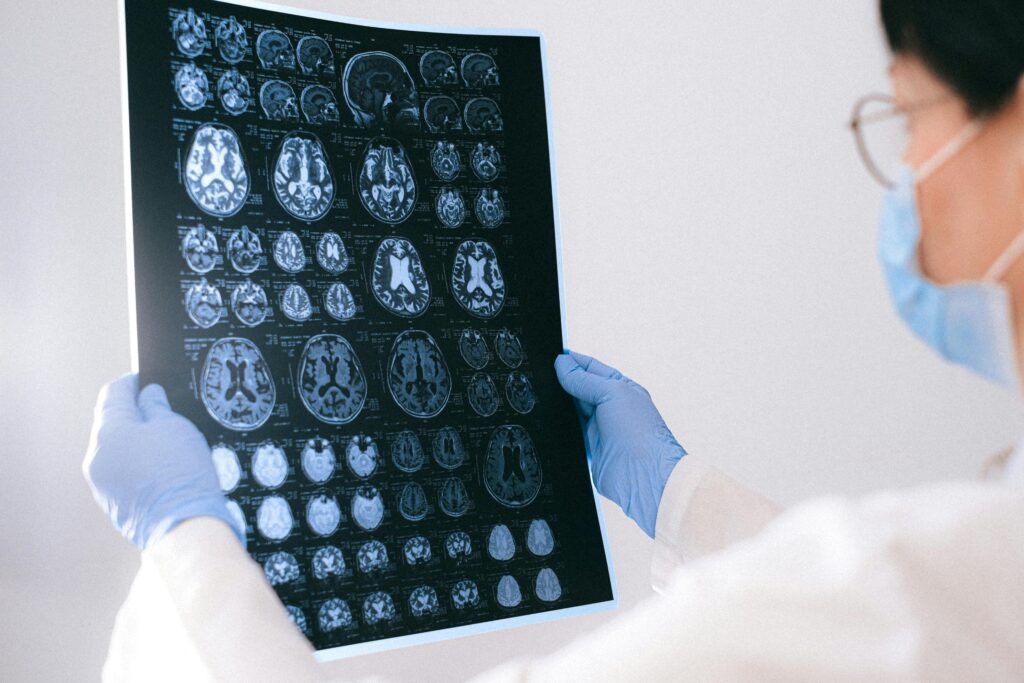
Radiologists look at:
- Degree and uniformity of enhancement
- Timing of the contrast phase
- Associated findings like duct dilation or masses
- Comparison with previous scans
Advanced tools like diffusion-weighted imaging (DWI) or contrast-enhanced MRI offer a sharper look into tissue characteristics.
Common Symptoms That May Lead to Imaging
Even when enhancement appears normal, it often follows clinical complaints like:
- Upper abdominal pain
- Unexplained weight loss
- Jaundice
- Elevated liver enzymes
- Diabetes onset
These red flags often prompt deeper evaluation through imaging and lab tests.
Diagnostic Tools Used in Pancreatic Assessment
| Tool | Purpose |
| CT Scan | Rapid, initial evaluation |
| MRI | Detailed soft tissue analysis |
| MRCP | Focus on bile and pancreatic ducts |
| EUS (Endoscopic Ultrasound) | Close-up imaging and biopsy sampling |
| PET Scan | Detecting cancerous activity |
Treatment Options Depending on Underlying Condition
Depending on what’s causing the homogeneous enhancement, treatments vary:
- Normal finding: No action required
- Autoimmune or acute pancreatitis: Steroids, hydration, rest
- Tumors: Surgery, chemotherapy, or surveillance
- Obstruction: Stents or endoscopic drainage
Always work with a gastroenterologist to map out the right approach.
Dietary and Lifestyle Changes for Pancreatic Health
Maintaining a healthy pancreas requires consistent efforts:
- Avoid alcohol and tobacco
- Eat a low-fat, anti-inflammatory diet
- Focus on fiber-rich fruits and vegetables
- Stay hydrated and exercise regularly
- Limit processed sugars to prevent diabetes
When Should You Be Concerned? Red Flags to Watch
Even with homogeneous enhancement, seek immediate medical help if you notice:
- Persistent abdominal pain
- Fever with vomiting
- Jaundice
- Sudden weight loss
- New or uncontrolled diabetes
These may signal an underlying issue needing urgent care.
Prevention Tips to Maintain a Healthy Pancreas
- Routine checkups, especially if you have a family history
- Manage cholesterol and blood sugar
- Limit red meats and processed foods
- Try intermittent fasting or Mediterranean diets
Real-Life Case Studies: Imaging and Outcomes
Case 1: 45-year-old male with acute pain
- Imaging showed homogeneous enhancement
- Diagnosed with early-stage acute pancreatitis
- Recovered fully with IV fluids and diet modification
Case 2: 62-year-old female, diabetic
- MRI revealed uniformly enhanced pancreas
- No malignancy found, autoimmune pancreatitis confirmed
- Managed with steroids and follow-up scans
FAQs About Homogeneous Enhancement of the Pancreas
Q1. Is homogeneous enhancement always normal?
Not always. While often benign, it can signal early disease stages, so clinical context matters.
Q2. What’s the most common cause?
Normal vascular perfusion is the top cause in healthy individuals.
Q3. Can this mean I have cancer?
Homogeneous enhancement is rarely seen in pancreatic cancer, which more often causes irregular (heterogeneous) patterns.
Q4. Should I get follow-up scans?
If symptoms persist or blood tests are abnormal, your doctor may recommend additional imaging.
Q5. Can medications cause this pattern?
Yes, some medications increase vascularity temporarily, causing uniform enhancement.
Q6. Does diet affect imaging results?
Not directly, but long-term poor diet affects pancreatic health and may lead to conditions influencing enhancement.
Conclusion: The Future of Pancreatic Imaging
With advanced imaging and clearer understanding of enhancement patterns, radiologists and doctors can detect pancreatic issues earlier than ever. The homogeneous enhancement of the pancreas, while usually benign, serves as a key visual cue in identifying early or subtle changes.
If your scan mentions this pattern, stay calm. Speak with your healthcare provider, follow up as needed, and make those healthy lifestyle choices that keep your pancreas—and you—thriving.