
Egg rolls are among the most beloved appetizers in American-Chinese cuisine, gracing countless restaurant tables and takeout orders. These crispy, golden-brown cylinders filled with vegetables, meat, or seafood offer a satisfying crunch and savory flavor that keeps diners coming back for more. However, for health-conscious individuals and those managing their dietary intake, understanding the egg roll nutritional facts is crucial for making informed food choices.
Whether you’re counting calories, monitoring sodium intake, or simply curious about what goes into your favorite appetizer, this comprehensive guide breaks down everything you need to know about egg roll nutrition in 2025.
Table of Contents
Understanding Basic Egg Roll Nutritional Facts
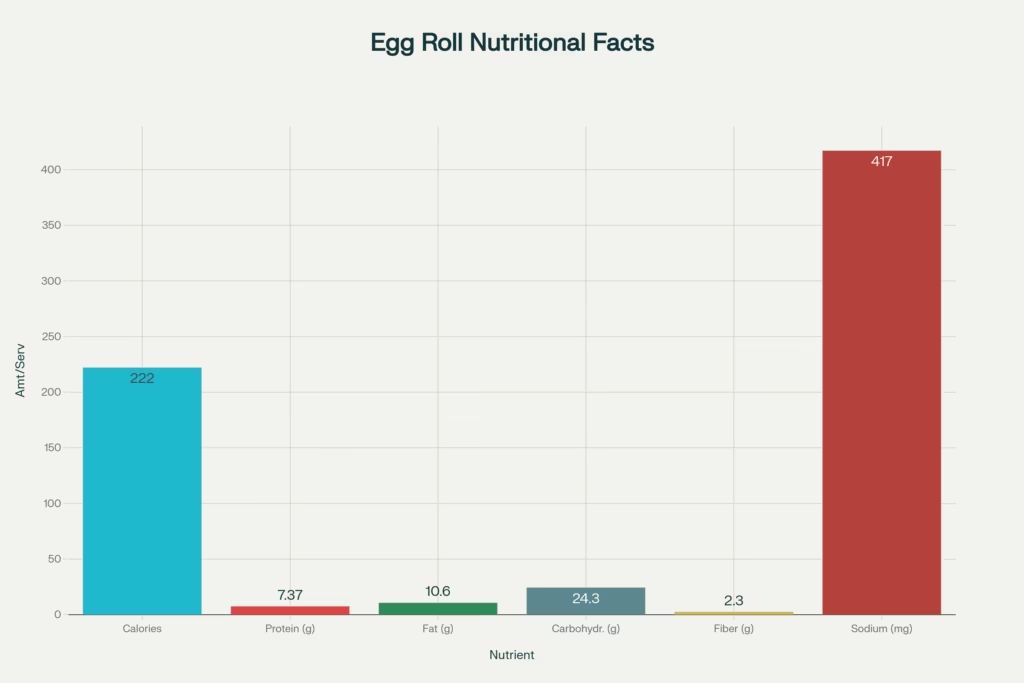
The nutritional content of egg rolls varies significantly depending on their size, preparation method, and filling ingredients. A standard restaurant-style egg roll (89 grams) contains approximately 222 calories, making it a moderately calorie-dense appetizer. This caloric content comes primarily from carbohydrates and fats, with a smaller portion from protein.
The macronutrient breakdown reveals that egg rolls derive 44% of their calories from carbohydrates, 43% from fat, and 13% from protein. This distribution reflects the nature of the dish—a fried wrapper filled with vegetables and sometimes meat, cooked in oil at high temperatures.
Key Nutritional Components
Carbohydrates form the foundation of egg roll nutrition, primarily from the wheat-based wrapper. A single egg roll provides 24.3 grams of carbohydrates, which includes both complex carbs from the wrapper and simple sugars from vegetables. The dietary fiber content, at 2.3 grams per roll, represents about 8% of the daily recommended intake, contributing to digestive health and satiety.
Fat content varies based on preparation methods, with a typical egg roll containing 10.6 grams of total fat. This includes approximately 2 grams of saturated fat, which represents about 9% of the daily recommended limit. The frying process contributes significantly to the overall fat content, as the wrapper absorbs oil during cooking.
Protein levels in egg rolls depend heavily on the filling. Vegetable-only egg rolls provide around 7.37 grams of protein, while chicken or turkey versions can contain 8.4 to 13.1 grams, making them more substantial from a protein perspective.
Comprehensive Nutritional Breakdown by Type
The variation in nutritional content reflects different preparation methods, ingredient quality, and serving sizes across different cuisine styles and establishments.
Micronutrient Profile and Health Benefits
Beyond macronutrients, egg rolls provide several essential vitamins and minerals, though in varying quantities. Vitamin K stands out as particularly abundant, with one egg roll providing 44% of the daily value, supporting bone health and blood clotting functions.
Iron content ranges from 1.0 to 1.4 mg per roll, contributing 16-18% of daily needs and supporting oxygen transport throughout the body. Sodium levels are notably high, with most egg rolls containing 355-417mg, representing 15-18% of the recommended daily sodium intake.
The vegetable filling contributes various antioxidants and phytonutrients, particularly when cabbage, carrots, and other colorful vegetables are included. These compounds support immune function and may help reduce inflammation in the body.
Mineral Content Analysis
Calcium content is modest at 36-40mg per roll, providing about 4% of daily needs. Potassium levels range from 147-231mg, supporting heart health and muscle function. Phosphorus contributes 76-85mg, essential for bone and teeth formation.
The B-vitamin complex is well-represented, with significant amounts of Vitamin B6 (11% DV), Vitamin B12 (16-18% DV), and Niacin (15-17% DV). These vitamins support energy metabolism, nervous system function, and red blood cell formation.
Sodium and Health Considerations
One of the most significant nutritional concerns with egg rolls is their high sodium content. With 417mg of sodium per roll, just two egg rolls would provide over one-third of the recommended daily sodium limit of 2,300mg for healthy adults.
This high sodium content primarily comes from:
- Soy sauce used in marinades and seasonings
- Salt added during cooking and preparation
- Preserved ingredients like certain vegetables or meats
- Flavor enhancers such as MSG (monosodium glutamate)
For individuals with hypertension, heart disease, or kidney problems, the sodium content in egg rolls can be particularly problematic. Regular consumption of high-sodium foods like egg rolls may contribute to elevated blood pressure and increased cardiovascular risk.
Caloric Impact and Weight Management

From a weight management perspective, egg rolls present both challenges and opportunities. At 222 calories per roll, they’re not the highest-calorie appetizer option, but they can add up quickly when consumed in typical restaurant portions of 2-3 rolls.
The caloric density of egg rolls (approximately 250 calories per 100 grams) is relatively high compared to fresh vegetables or steamed options. However, the fiber content helps promote satiety, potentially reducing overall meal consumption when eaten mindfully.
Portion control strategies include:
- Limiting to one egg roll per meal
- Sharing orders with dining companions
- Choosing smaller-sized egg rolls when available
- Pairing with lower-calorie menu items
Preparation Methods and Nutritional Variations
The cooking method significantly impacts egg roll nutrition. Deep-frying, the traditional preparation method, increases caloric content and fat absorption. Air-frying or baking can reduce fat content by 30-50% while maintaining crispy texture.
Homemade versions offer greater control over ingredients and preparation methods. Using whole wheat wrappers, fresh vegetables, and minimal oil can create healthier alternatives with improved nutritional profiles.
Restaurant vs. Homemade Comparison
| Aspect | Restaurant | Homemade |
|---|---|---|
| Calories | 220-340 | 150-250 |
| Sodium Control | Limited | Full control |
| Oil Quality | Variable | Choose healthier oils |
| Ingredient Quality | Unknown | Fresh, high-quality |
| Portion Size | Standardized | Customizable |
Dietary Considerations and Special Needs
For diabetic individuals, egg rolls present challenges due to their carbohydrate content and potential for blood sugar spikes. The glycemic impact can be moderated by consuming egg rolls with protein-rich foods or as part of a balanced meal with fiber and healthy fats.
Gluten-sensitive individuals should note that traditional egg roll wrappers contain wheat flour. Gluten-free alternatives using rice paper or alternative flour wrappers are available but may have different nutritional profiles.
Heart-healthy considerations include the saturated fat content (approximately 9% of daily value) and the high sodium levels. Individuals with cardiovascular concerns should consume egg rolls sparingly and focus on preparation methods that minimize added fats.
Ingredient Analysis and Quality Factors
The nutritional quality of egg rolls depends heavily on ingredient choices and preparation standards. Fresh vegetables provide more vitamins and minerals compared to processed or canned alternatives. Lean protein sources like chicken breast or tofu offer better nutritional density than higher-fat options.
Wrapper quality varies significantly between establishments. Thinner wrappers absorb less oil during frying, while thicker versions may provide more carbohydrates but also more calories from absorbed fats.
Oil quality used for frying impacts both flavor and health. Fresh, high-quality oils with appropriate smoke points provide better nutritional outcomes compared to reused or low-grade options.
Health Benefits and Positive Aspects
Despite their reputation as “junk food,” egg rolls offer several nutritional benefits when consumed as part of a balanced diet:
Vegetable intake: Egg rolls provide a convenient way to consume vegetables, especially for individuals who struggle to meet daily vegetable recommendations. The fiber content supports digestive health and may help regulate blood sugar levels.
Protein contribution: Meat-filled varieties contribute to daily protein needs, supporting muscle maintenance and satiety. Complete proteins from chicken or turkey provide all essential amino acids.
Micronutrient density: The combination of vegetables and protein creates a micronutrient-dense food, providing vitamins, minerals, and antioxidants in a palatable format.
Making Healthier Choices
Smart ordering strategies can help optimize the nutritional value of egg rolls:
- Choose steamed or baked versions when available
- Request sauce on the side to control sodium intake
- Share orders to manage portion sizes
- Balance with lighter menu items like steamed vegetables or clear soups
At-home preparation tips:
- Use whole grain wrappers for added fiber
- Increase vegetable content relative to wrapper size
- Minimize oil use through air-frying or baking
- Season with herbs and spices instead of salt
Comparison with Similar Foods
When compared to other popular appetizers, egg rolls occupy a middle ground nutritionally:
This comparison reveals that egg rolls are less caloric than many fried appetizers but higher than fresh options like spring rolls.
Future Trends and Healthier Innovations
The food industry continues to evolve, with health-conscious consumers driving demand for better nutritional options. Plant-based fillings using mushrooms, tofu, and innovative protein sources are becoming more common.
Air-frying technology in commercial kitchens is making healthier preparation methods more accessible in restaurants. Gluten-free and low-sodium options are increasingly available to meet diverse dietary needs.
Transparency in nutrition labeling continues to improve, helping consumers make informed choices about their egg roll consumption.
Practical Recommendations for Consumers
Moderation remains key when incorporating egg rolls into a healthy diet. Weekly consumption limits of 1-2 egg rolls for most adults allow for enjoyment without significant nutritional compromise.
Reading nutrition labels when available helps consumers understand exactly what they’re consuming. Asking restaurants about preparation methods can guide healthier choices.
Balancing egg roll consumption with nutrient-dense foods throughout the day ensures overall dietary quality remains high. Hydration is particularly important given the high sodium content.
Questions and Answers: Egg Roll Nutritional Facts
Q1: How many calories are in a standard egg roll?
A standard restaurant-style egg roll contains approximately 222 calories per roll. The calories mainly come from carbohydrates and fats due to the fried wrapper and filling.
Q2: What is the macronutrient breakdown of a typical egg roll?
A typical egg roll derives about 44% of its calories from carbohydrates, 43% from fat, and 13% from protein.
Q3: Are egg rolls high in sodium?
Yes, egg rolls typically contain around 417 mg of sodium per roll, which is about 15-18% of the recommended daily intake. This is something to watch for people managing their sodium consumption.
Q4: Do egg rolls contain any vitamins or minerals?
Yes, egg rolls have some beneficial micronutrients such as Vitamin K (about 44% of daily value), iron (16-18% DV), calcium, potassium, and phosphorus. The vegetable fillings contribute antioxidants and other vitamins as well.
Q5: How does the preparation method affect egg roll nutrition?
Traditional deep-frying increases calories and fat content significantly. Baking or air-frying can reduce fat by 30-50% while maintaining texture. Homemade versions can offer better ingredient quality and nutritional control.
Q6: Are egg rolls gluten-free?
Traditional egg roll wrappers contain wheat flour, so they are not gluten-free. However, gluten-free alternatives using rice paper or other flours are available but may have different nutrition profiles.
Q7: How can I enjoy egg rolls in a healthier way?
You can choose baked or air-fried versions, control portion sizes by sharing or limiting to one roll, request sauces on the side to manage sodium intake, and pair egg rolls with vegetables or soups to balance the meal.
Q8: How do egg rolls compare nutritionally with other popular appetizers?
Egg rolls are less caloric than many fried appetizers like mozzarella sticks or chicken wings but more caloric than lighter options like spring rolls.
Conclusion
Egg rolls, while delicious and culturally significant, require mindful consumption due to their caloric density, high sodium content, and variable nutritional quality. Understanding these nutritional facts empowers consumers to make informed decisions that align with their health goals.
The 222 calories, 10.6g fat, and 417mg sodium in a typical egg roll represent a moderate indulgence that can fit into most balanced diets when consumed occasionally. Preparation methods, ingredient quality, and portion control significantly influence the overall nutritional impact.
For optimal health outcomes, consider egg rolls as an occasional treat rather than a dietary staple. When possible, choose baked or air-fried versions, control portion sizes, and balance with nutrient-dense foods throughout your meals. This approach allows you to enjoy the flavors and cultural experience of egg rolls while maintaining your nutritional well-being in 2025 and beyond.
By understanding these comprehensive nutritional facts, you can make informed decisions that support both your taste preferences and health objectives, ensuring that egg rolls remain a enjoyable part of your culinary experience without compromising your overall dietary goals.
Also Read
Diet Pepsi Nutrition Facts 2025: 7 Shocking Truths About This “Zero-Calorie” Drink
Dave’s Hot Chicken Nutrition Guide: Calories, Macros, and Healthy Ordering Tips