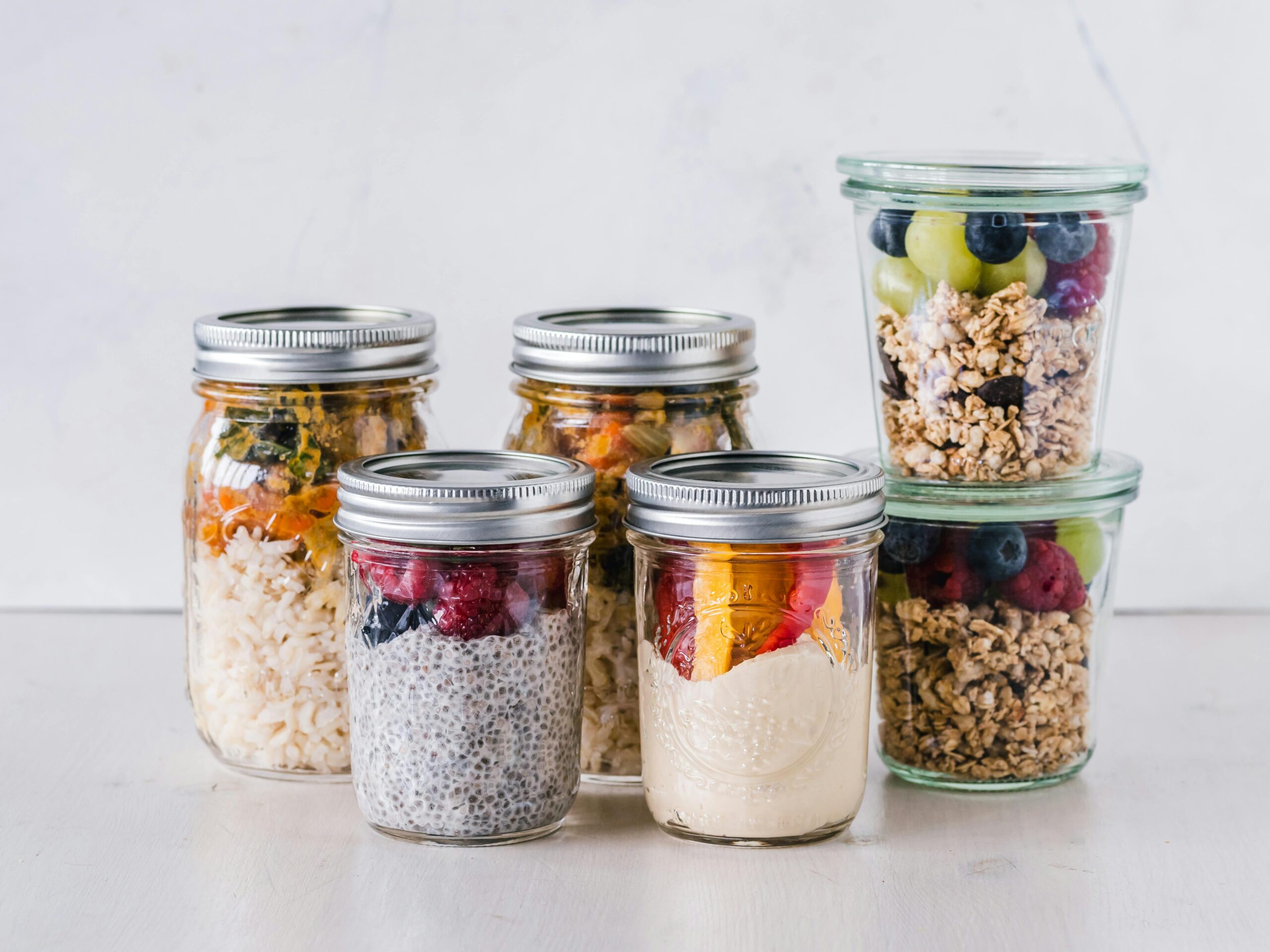
Picture this: You’re rushing out the door on Monday morning, grabbing a pre-made breakfast bowl that perfectly fits your weight loss goals. By Wednesday, you’re heating up a delicious, portion-controlled lunch that keeps you satisfied all afternoon. Come Friday, you’re still on track because you’ve already conquered the week through smart meal prep.
That’s the power of strategic meal planning for weight loss. While others struggle with last-minute food decisions and expensive takeout orders, you’ve already won the battle in your kitchen.
Recent research reveals that the weight loss industry is worth an incredible $3.4 billion in 2023 in the US alone, yet many people still struggle because they lack a systematic approach. The good news? Studies consistently show that people who plan their meals more frequently experience significantly better weight loss outcomes than those who wing it.
Let’s dive into everything you need to know about meal prep for weight loss—from the science behind why it works to practical strategies you can implement starting today.
Table of Contents
What Makes Weight Loss Meal Prep Actually Work?
Weight loss meal prep isn’t just about cooking in bulk—it’s about creating a strategic system that sets you up for consistent success. At its core, effective meal prep provides three critical elements: structure, control, and sustainability.
First, let’s talk about the science. Research shows that higher average meal planning frequency is associated with greater weight loss, and here’s why: when you plan ahead, you’re making food decisions with a clear, rational mind rather than responding to hunger, stress, or convenience.
The Psychology Behind Meal Prep Success
Your brain uses what scientists call “decision fatigue”—essentially, the more decisions you make throughout the day, the worse your decision-making becomes. By front-loading your food choices through meal prep, you preserve mental energy for other important decisions while autopilot guides your eating habits.
Plus, meal prep naturally creates what behavioral economists call “commitment devices.” When you’ve already invested time and effort into preparing healthy meals, you’re psychologically committed to eating them rather than wasting that investment.
Core Principles That Drive Results
Caloric Precision: A deficit of 500-750 calories per day typically leads to 1-1.5 pounds of weight loss per week according to research from the National Center for Biotechnology Information. Meal prep allows you to hit these targets consistently without guesswork.
Portion Mastery: Pre-portioned meals eliminate the guesswork around serving sizes. You can enjoy your favorite foods while maintaining the portion control necessary for weight loss.
Nutrient Timing: Strategic meal prep ensures you’re getting the right macronutrients at optimal times—like protein in the morning to control hunger throughout the day.
The Complete Science of Meal Prep Weight Loss
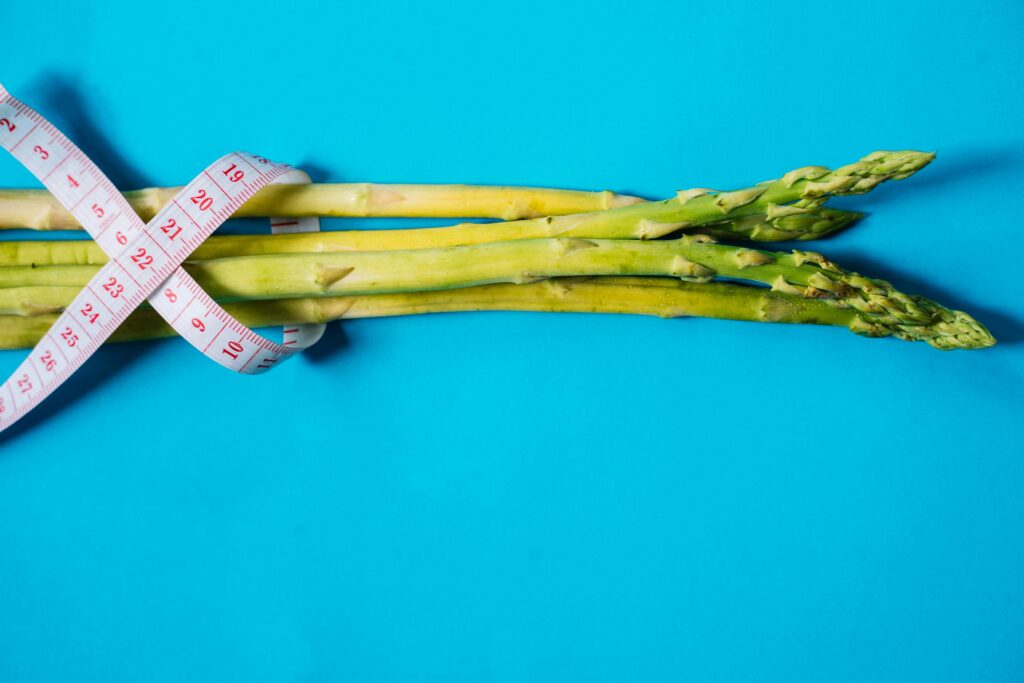
Understanding the “why” behind meal prep strategies helps you make better decisions and stick with your plan long-term. Let’s explore the key nutritional principles that make meal prep so effective for weight loss.
Fiber: Your Secret Satiety Weapon
Dietary fiber acts like a volume switch for your appetite. Foods high in fiber take up more space in your stomach, trigger stretch receptors that signal fullness, and slow digestion to keep you satisfied longer.
The magic happens because fiber has virtually no calories but dramatically increases meal satisfaction. A whole apple versus apple juice perfectly illustrates this—the whole fruit delivers fiber that keeps you full, while the juice provides similar calories with minimal satiety.
When meal prepping, prioritize fiber-rich foods like:
- Quinoa and brown rice over white rice
- Whole wheat pasta over regular pasta
- Beans and lentils as protein sources
- Vegetables as meal volume-builders
Protein Timing and Thermogenesis
Protein serves double duty in weight loss meal prep. First, it has the highest thermic effect of all macronutrients, meaning your body burns more calories digesting protein compared to carbs or fats. Second, protein helps preserve muscle mass during weight loss, which keeps your metabolism running efficiently.
Research from the Journal of the American College of Nutrition shows that higher protein intake supports satiety and muscle building, making it a cornerstone of effective meal prep.
Complex Carbohydrates vs. Simple Sugars
Not all carbs are created equal in the meal prep world. Complex carbohydrates—found in whole grains, legumes, and starchy vegetables—provide sustained energy and better satiety compared to processed alternatives.
The National Center for Biotechnology Information explains that highly processed foods lack fiber and nutrients, leading to quick energy spikes followed by crashes that trigger more hunger.
Healthy Fats: The Satisfaction Factor
Including moderate amounts of healthy fats in your meal prep serves multiple purposes. Fats help with nutrient absorption, provide essential fatty acids, and significantly improve meal satisfaction. The key is choosing the right sources—think avocados, olive oil, nuts, and fatty fish rather than processed oils.
Your 7-Day Meal Prep Weight Loss Blueprint
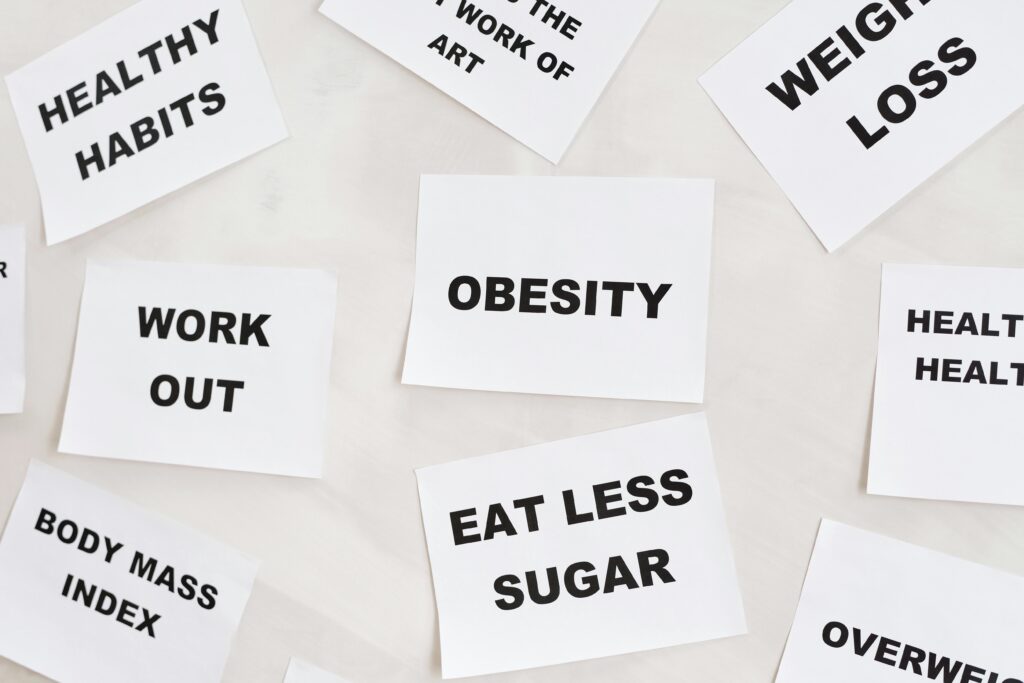
Creating an effective weekly meal prep routine requires strategic planning, but once you establish the system, it becomes second nature. Here’s your complete blueprint for meal prep success.
Step 1: Calculate Your Personal Targets
Before diving into recipes, determine your individual calorie and macronutrient needs. Generally, aim for:
- 45-65% of calories from carbohydrates
- 10-35% from protein
- 20-35% from healthy fats
However, many successful meal preppers find slightly higher protein percentages (25-30%) help with satiety and muscle preservation during weight loss.
Step 2: Master the Weekly Planning Rhythm
Sunday Strategy Session (30 minutes):
- Review your upcoming week’s schedule
- Choose 3-4 core recipes you’ll batch cook
- Create your grocery list organized by store sections
- Check your container inventory
Sunday Prep Day (2-3 hours):
- Batch cook your protein sources
- Prepare grain and starch bases
- Wash and chop vegetables
- Portion meals into containers
Wednesday Mini-Prep (45 minutes):
- Refresh any items that don’t store well for a full week
- Prepare fresh elements like salads
- Adjust portions based on how the week is going
Step 3: The Container Strategy
Invest in quality, properly-sized containers that make portioning automatic. Use a variety of sizes:
- 2-cup containers for main meals
- 1-cup containers for sides and snacks
- 4-cup containers for batch-cooked ingredients
- Glass containers for reheating convenience
50+ Meal Prep Ideas That Actually Taste Great
The biggest meal prep mistake? Preparing boring food that you’ll dread eating by day three. These recipes focus on flavor variety while maintaining your weight loss goals.
Power-Packed Breakfast Options
Overnight Oat Variations:
- Peanut Butter Banana: Rolled oats, natural peanut butter, sliced banana, chia seeds, unsweetened almond milk
- Berry Vanilla: Steel-cut oats, mixed berries, vanilla protein powder, Greek yogurt, honey
- Chocolate Cherry: Oats, unsweetened cocoa powder, dried cherries, almonds, low-fat milk
Egg-Based Prep Ideas:
- Veggie-loaded frittata muffins with spinach, bell peppers, and turkey sausage
- Breakfast burrito bowls with scrambled eggs, black beans, salsa, and avocado
- Hard-boiled egg combinations with whole grain toast and avocado
Lunch and Dinner Champions
Bowl-Style Meals:
- Mediterranean quinoa bowls with grilled chicken, cucumber, tomatoes, olives, and tzatziki
- Mexican-inspired burrito bowls with brown rice, seasoned ground turkey, black beans, corn, and Greek yogurt
- Asian-fusion bowls with cauliflower rice, teriyaki salmon, edamame, and sriracha
Soup and Stew Powerhouses:
- Turkey and white bean chili loaded with vegetables
- Lentil curry with coconut milk and spinach
- Chicken vegetable soup with barley
Sheet Pan Simplicity:
- Roasted chicken thighs with sweet potatoes and Brussels sprouts
- Baked salmon with asparagus and quinoa
- Turkey meatballs with zucchini noodles and marinara
Smart Snack Solutions
Prep snacks that combine protein, fiber, and healthy fats:
- Apple slices with almond butter portions
- Greek yogurt parfaits with berries and nuts
- Hummus with pre-cut vegetables
- Hard-boiled eggs with whole grain crackers
Advanced Meal Prep Strategies That Accelerate Results
Once you’ve mastered basic meal prep, these advanced strategies can take your weight loss to the next level.
The 2-1-2-1 Plate Method
This scientifically-backed approach ensures optimal macronutrient distribution:
- 2 protein servings: Lean meats, fish, eggs, tofu, or legumes
- 1 complex carbohydrate: Quinoa, brown rice, sweet potato, or whole grains
- 2 vegetable servings: Mix of colorful, fiber-rich vegetables
- 1 healthy fat: Avocado, nuts, olive oil, or seeds
This method automatically creates balanced, satisfying meals while maintaining portion control.
Batch Cooking Like a Pro
Master the art of cooking base ingredients that can be transformed into multiple meals:
Protein Bases:
- Grilled chicken breast (season differently for variety)
- Ground turkey or lean beef
- Baked tofu or tempeh
- Hard-boiled eggs
Grain and Starch Foundations:
- Brown rice (can be used in bowls, stuffed peppers, or fried rice)
- Quinoa (perfect for salads, bowls, or breakfast)
- Sweet potatoes (roasted, mashed, or spiralized)
- Cauliflower rice for lower-carb options
Flavor Rotation System
Prevent meal prep boredom by rotating flavor profiles weekly:
- Week 1: Mediterranean (olive oil, herbs, lemon, garlic)
- Week 2: Mexican (cumin, chili powder, lime, cilantro)
- Week 3: Asian-inspired (ginger, soy sauce, sesame oil, rice vinegar)
- Week 4: Indian-spiced (curry powder, turmeric, coconut, garam masala)
Storage and Food Safety Mastery

Proper storage extends the life of your prepped meals and ensures food safety—both crucial for long-term meal prep success.
Container Selection Guide
Glass containers: Best for reheating, doesn’t absorb odors, dishwasher-safe. Ideal for saucy dishes and foods you’ll microwave.
BPA-free plastic: Lightweight, won’t break if dropped, often cheaper. Perfect for taking meals on-the-go.
Vacuum-sealed bags: Maximize freezer life, save space, prevent freezer burn. Great for soups, stews, and marinated proteins.
Stainless steel: Durable, doesn’t retain flavors, portable. Excellent for salads and cold dishes.
Strategic Storage Timeline
Refrigerator (3-4 days max):
- Cooked proteins and grains
- Cut vegetables (store separately from dressings)
- Assembled salads without dressing
- Dairy-based items
Freezer (1-3 months):
- Soups and stews
- Cooked grains and proteins
- Pre-portioned smoothie ingredients
- Breakfast burritos and muffins
Food Safety Essentials
Always cool food completely before refrigerating, label everything with dates, and follow the “first in, first out” rule. When reheating, ensure food reaches 165°F (74°C) for safety.
Troubleshooting Common Meal Prep Challenges
Even the most dedicated meal preppers encounter obstacles. Here’s how to overcome the most common challenges:
“My Food Gets Boring by Day 3”
Solution: Prep components, not complete meals. Store proteins, grains, and vegetables separately, then combine them differently throughout the week. Keep various sauces and seasonings on hand to change flavors instantly.
“I Don’t Have Time for Extensive Prep”
Solution: Start with “lazy meal prep”—focus on just one element like protein or grains. Even prepping just your protein sources saves significant time during busy weekdays.
“My Family Won’t Eat Healthy Food”
Solution: Prepare base ingredients that can be customized. Make grilled chicken, roasted vegetables, and brown rice, then let family members add their preferred toppings and sauces.
“I Keep Forgetting to Eat My Prepped Meals”
Solution: Make your healthy choices more visible than unhealthy ones. Keep prepped meals at eye level in the fridge and put less healthy options in drawers or back areas.
Budget-Friendly Meal Prep That Doesn’t Sacrifice Quality
Effective weight loss meal prep doesn’t require expensive ingredients or specialized equipment. Smart shopping and ingredient selection can keep costs low while maximizing nutrition.
Strategic Shopping Tips
Buy in bulk: Purchase large quantities of shelf-stable items like oats, quinoa, dried beans, and frozen vegetables when they’re on sale.
Seasonal shopping: Plan meals around seasonal produce for the best prices and peak nutrition.
Generic brands: Store-brand items often offer identical quality at 20-30% lower prices.
Protein strategies: Cheaper cuts of meat like chicken thighs or pork shoulder work perfectly for batch cooking. Plant-based proteins like beans and lentils offer excellent value.
Budget-Friendly Meal Ideas
- Lentil dal with brown rice and frozen vegetables
- Bean and vegetable soup with whole grain bread
- Egg-based meals with seasonal vegetables
- Chicken thigh and sweet potato sheet pan meals
- Oatmeal-based breakfast bowls with frozen berries
Technology Tools That Streamline Your Success
Modern technology can significantly simplify meal prep planning and execution. Here are the most effective tools for weight loss meal prep:
Essential Apps
Meal planning apps: Help you organize recipes, create shopping lists, and plan weekly menus. Look for apps that calculate nutritional information automatically.
Calorie tracking: While not required for everyone, apps like MyFitnessPal or Cronometer can help ensure you’re hitting your targets, especially when starting out.
Timer apps: Use cooking timers to batch multiple items efficiently during prep day.
Kitchen Equipment That Saves Time
Instant Pot or pressure cooker: Dramatically reduces cooking time for beans, grains, and tough cuts of meat.
Food processor: Makes chopping vegetables quick and uniform.
Digital food scale: Ensures accurate portioning for consistent results.
Sheet pans: Multiple sheet pans allow you to roast different items simultaneously.
The Long-Term Mindset: Making Meal Prep Sustainable
The most successful meal preppers think beyond short-term weight loss—they build systems that support long-term health and weight maintenance.
Flexibility Within Structure
Rigid meal prep can lead to burnout. Build flexibility into your system by:
- Prepping 80% of your meals, leaving 20% for spontaneous choices
- Having backup options for busy weeks
- Adjusting portions based on your activity level and hunger cues
Continuous Improvement
Treat meal prep as a skill that develops over time. Each week, identify one small improvement:
- Try a new flavor combination
- Improve your knife skills for faster prep
- Test a new storage method
- Experiment with different container sizes
Social Integration
Meal prep doesn’t mean isolation from social eating. Plan for restaurants and social events by:
- Eating a small, protein-rich meal before going out
- Researching menu options in advance
- Choosing restaurants with healthy options
- Focusing on the social aspect rather than just the food
Measuring Success Beyond the Scale
While weight loss is often the primary goal, successful meal prep creates numerous benefits that extend far beyond the number on your scale.
Energy and Mood Improvements
Consistent, balanced nutrition from meal prep typically leads to:
- More stable energy levels throughout the day
- Better sleep quality
- Improved mood and mental clarity
- Reduced stress around food decisions
Financial Benefits
High-income earners typically spend over $1,000 annually on weight loss-related products and services, but effective meal prep can significantly reduce these costs while delivering better results.
Time Savings
Although meal prep requires upfront time investment, it saves significant time during busy weekdays. Most people save 30-60 minutes per day by not having to make food decisions or prepare meals from scratch.
Your Next Steps: Starting Your Meal Prep Journey Today
Ready to transform your weight loss journey through strategic meal prep? Here’s your immediate action plan:
Week 1: Foundation Building
- Choose 2-3 simple recipes you’ll enjoy eating multiple times
- Invest in basic storage containers
- Plan your first prep day for this weekend
- Calculate your basic calorie and macronutrient targets
Week 2: Expansion
- Add one new recipe to your rotation
- Experiment with different flavor profiles
- Track how the meal prep affects your energy and hunger levels
- Adjust portions based on your results
Week 3: Optimization
- Streamline your prep process based on lessons learned
- Add more variety to prevent boredom
- Consider prepping snacks and backup meals
- Evaluate what’s working and what needs adjustment
Week 4: Sustainability
- Develop your personal meal prep rhythm
- Create systems for grocery shopping and planning
- Build flexibility into your routine
- Plan for upcoming challenges or busy periods
The Bottom Line: Your Path to Sustainable Weight Loss Success
Effective weight loss meal prep isn’t about perfection—it’s about creating sustainable systems that make healthy choices easier than unhealthy ones. Research shows that adults using systematic meal planning approaches can sustain weight loss over 12, 24, and even 36-month intervals.
The strategies in this guide provide everything you need to transform your relationship with food and achieve lasting weight loss results. Remember, the best meal prep plan is the one you’ll actually follow consistently.
Start small, build momentum, and gradually expand your meal prep skills. Within a few weeks, you’ll wonder how you ever managed without this powerful tool for weight loss success.
Your transformation starts in the kitchen—and it starts today.
Sources:
- Greater Average Meal Planning Frequency Predicts Greater Weight Loss Outcomes
- Optimal Diet Strategies for Weight Loss and Weight Loss Maintenance
- Physiology, Carbohydrates – StatPearls
- Dietary Proteins and Body Weight Management
- Sustaining Weight Loss Through Digital Meal Planning
Also Read
How Much Does PhD Weight Loss Cost Per Week? A Complete Breakdown
7 Mind-Blowing Ways Kombucha vs Apple Cider Vinegar for Weight Loss (Science-Backed)