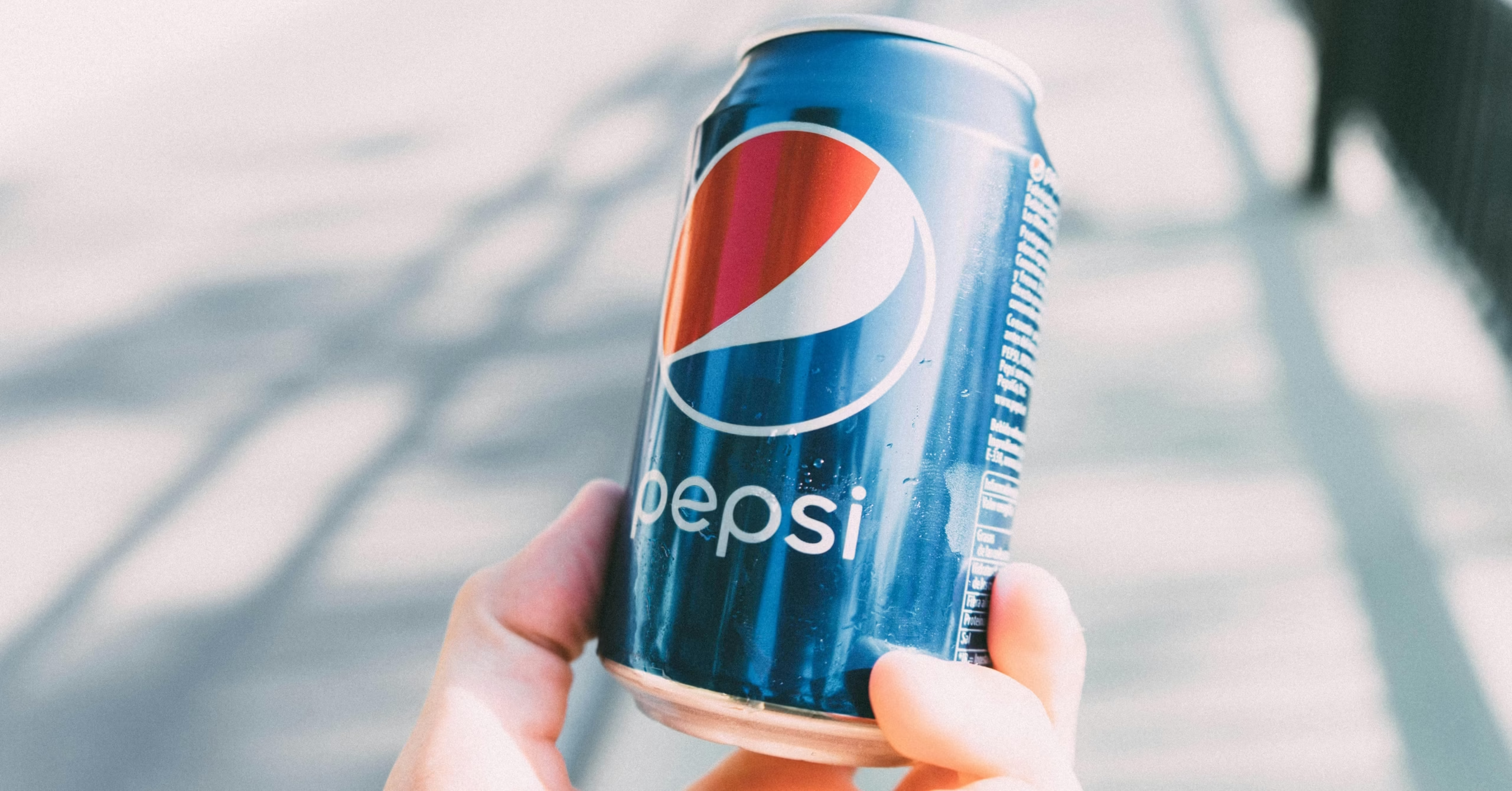
🥤 Introduction (Diet Pepsi Nutrition Facts): Is Diet Pepsi Really the Healthier Choice?

You might grab a can of Diet Pepsi thinking it’s the “guilt-free” way to enjoy soda. After all, it has zero calories, no sugar, and no fat—sounds perfect, right?
But before you crack open that next can, here’s the truth: what’s hiding behind that crisp, bubbly flavor isn’t so straightforward. With artificial sweeteners, acidic additives, and potential health implications, Diet Pepsi may not be as diet-friendly as you think.
In this article, you’ll discover:
- The real ingredients behind that zero-calorie label
- What science says about long-term health risks
- How it stacks up against other popular sodas
- Healthier, delicious alternatives
Table of Contents
📊 Diet Pepsi Nutritional Facts (Per 12 oz Can)

According to the official PepsiCo nutrition data, a 12 oz can of Diet Pepsi contains 0 calories, 35 mg sodium, and 34 mg of caffeine.
| Nutrient | Amount | % Daily Value |
| Calories | 0 | 0% |
| Total Fat | 0g | 0% |
| Sodium | 35mg | 2% |
| Total Carbs | 0g | 0% |
| Sugars | 0g | – |
| Protein | 0g | 0% |
| Caffeine | 34mg | – |
👉 Quick Take: Diet Pepsi may look “clean” nutritionally, but don’t let the zeros fool you. The artificial ingredients tell a different story.
🧪 Ingredients Breakdown: What’s Really Inside Diet Pepsi?
Diet Pepsi is a blend of carbonated water and synthetic ingredients designed to mimic sugary soda taste—without the calories. Here’s a look at the key players:
| Ingredient | Purpose |
| Aspartame | Artificial sweetener, ~200x sweeter than sugar |
| Acesulfame Potassium | Enhances sweetness without calories |
| Phosphoric Acid | Adds tangy flavor and shelf stability |
| Caramel Color | Provides color (linked to certain health risks) |
| Caffeine | Mild stimulant, increases energy and alertness |
| Natural Flavors | Mystery ingredients—undisclosed additives |
🔍 Note: In 2015, PepsiCo removed aspartame due to public concern—only to bring it back in 2018 due to taste complaints. That should tell you how controversial this sweetener is!
⚖️ The Real Health Impact: Pros & Cons of Drinking Diet Pepsi
Artificial sweeteners like aspartame and acesulfame potassium are key to Diet Pepsi’s zero-calorie appeal. While they’re FDA-approved and commonly used in diet beverages, some health experts remain cautious. According to the Mayo Clinic, these sugar substitutes can help with weight control when used in moderation, but ongoing research continues to explore their long-term effects, including potential links to metabolic changes and gut health disruptions.
✅ Potential Benefits:
- Zero calories – helpful for calorie restriction or weight management
- May reduce sugar intake – better than regular soda in that respect
- Caffeine boost – supports mental alertness and may help metabolism
❌ Health Concerns:
- Weight gain links – Despite zero calories, studies show diet sodas may increase cravings or appetite.
- Gut health disruption – Artificial sweeteners may alter gut microbiota.
- Increased diabetes risk – Long-term consumption associated with higher type 2 diabetes risk in some observational studies.
- Bone & dental issues – Phosphoric acid can reduce bone density and damage tooth enamel.
⚖️ Diet Pepsi vs. Other Sodas
| Soda (12 oz) | Calories | Sodium | Caffeine | Sweetener |
| Diet Pepsi | 0 | 35mg | 34mg | Aspartame |
| Diet Coke | 0 | 40mg | 46mg | Aspartame |
| Diet Dr Pepper | 0 | 55mg | 41mg | Aspartame |
| Coke Zero Sugar | 0 | 40mg | 34mg | Aspartame + Ace-K |
| Sparkling Water | 0 | 0mg | 0mg | None |
👀 What It Means: While the numbers look similar, each soda has its own mix of ingredients and health effects. Coke Zero and Diet Dr Pepper contain multiple artificial sweeteners, while sparkling water is a clean, additive-free alternative.
💡 Better Beverage Alternatives (That Actually Taste Good)
If you’re trying to cut calories but want to avoid artificial additives, these are better picks:
| Alternative | Benefits |
| Sparkling water with lemon | Natural, zero calories, refreshing |
| Unsweetened iced tea | Contains antioxidants, no additives |
| Infused water (mint/cucumber) | Hydrating, detox-friendly |
| Coconut water | Electrolyte-rich, mildly sweet |
| Kombucha (low sugar) | Probiotic benefits, slightly tangy |
🤔 Common Questions About Diet Pepsi
Frequently Asked Questions About Diet Pepsi Nutrition
Does Diet Pepsi Really Have Zero Calories?
Yes, Diet Pepsi contains zero calories per serving. The artificial sweeteners provide sweetness without contributing caloric energy, making it technically calorie-free. However, some nutritionists argue that artificial sweeteners may trigger insulin responses or increase cravings for sweet foods, potentially affecting weight management indirectly.
Is Diet Pepsi Safe for Diabetics?
Diet Pepsi doesn’t directly raise blood glucose levels since it contains no sugar. The American Diabetes Association acknowledges that diet sodas can be acceptable beverage choices for people with diabetes. However, individuals should consult healthcare providers about incorporating any processed foods into their diabetes management plans.
How Does Diet Pepsi Compare to Water?
While Diet Pepsi provides hydration, water remains the optimal choice for meeting fluid needs. Water contains no artificial additives, supports natural bodily functions, and doesn’t pose potential risks associated with artificial sweeteners or phosphoric acid. Nutritionists recommend limiting diet soda consumption to occasional treats while prioritizing water intake.
Can Diet Pepsi Cause Weight Gain?
Despite containing zero calories, some observational studies suggest diet soda consumption correlates with weight gain. However, these studies cannot establish causation. The correlation might result from other lifestyle factors or behavioral patterns rather than the diet soda itself. Controlled studies generally show weight loss or maintenance when diet sodas replace regular sodas.
📉 Diet Pepsi Market Position (2025)
- Market Share: ~15% of diet cola market
- Top Competitor: Diet Coke (~25% share)
- Taste Profile: Sweeter and smoother than Diet Coke, less acidic
- Consumer Trends: Growing shift toward clean-label and natural drinks
🧠 Final Thoughts: Should You Keep Drinking Diet Pepsi?
It’s all about moderation.
Diet Pepsi isn’t the devil—but it’s not a health food either. If you’re craving that fizzy satisfaction once in a while, it’s better than reaching for full-sugar sodas. But drinking it daily? You may want to rethink that.
“Just because it’s zero calories doesn’t mean it’s zero impact.”
📌 Summary Table
| Pros | Cons |
| Zero calories, zero sugar | Contains artificial sweeteners |
| Supports short-term weight control | Linked to gut issues and cravings |
| Moderate caffeine | Can erode enamel and lower bone density |
| Diabetic-friendly (in moderation) | Not ideal for long-term health if overused |
Conclusion
Diet Pepsi nutrition facts reveal a zero-calorie beverage that can fit into various dietary plans when consumed mindfully. While it offers a sweet taste without sugar or calories, the artificial ingredients and potential health considerations warrant thoughtful consumption patterns.
The key lies in balance and moderation. Diet Pepsi can serve as an occasional treat or transition tool for those reducing sugar intake, but it shouldn’t replace water or nutrient-dense beverages as primary hydration sources. Understanding these nutrition facts empowers you to make informed decisions that align with your health goals and preferences.
Remember that individual responses to artificial sweeteners vary, and what works for one person may not suit another. Consider consulting with healthcare providers or registered dietitians for personalized advice, especially if you have specific health conditions or concerns about diet soda consumption.
By staying informed about Diet Pepsi nutrition facts and maintaining awareness of your overall dietary patterns, you can enjoy your favorite beverages while supporting long-term health and wellness goals.
✅ External Sources with Clickable Links
American Dental Association – Acids and Tooth Erosion
Discusses how acidic drinks like Diet Pepsi may erode tooth enamel.
FDA – High-Intensity Sweeteners Approved for Use in Food
Explains sweeteners like aspartame, sucralose, and acesulfame potassium used in Diet Pepsi.
Mayo Clinic – Artificial Sweeteners and Other Sugar Substitutes
Covers health effects, benefits, and risks of artificial sweeteners like those in diet sodas.
Harvard T.H. Chan School of Public Health – Artificial Sweeteners
Analyzes scientific concerns about artificial sweeteners and their link to health issues.
Also Read
35 Best Healthy Gas Station Snacks: Complete Guide for Smart Road Trip Nutrition (2025)