Can high blood pressure cause flashing lights in eyes? This critical question concerns millions of Americans experiencing sudden visual disturbances. Visual symptoms can be alarming, especially when they appear without warning. Many people experiencing flashing lights in their vision wonder whether their blood pressure might be the culprit, and the answer is definitively yes. Understanding how high blood pressure causes flashing lights in eyes becomes crucial for maintaining both cardiovascular and eye health, potentially preventing serious complications.
Table of Contents
Understanding How High Blood Pressure Causes Flashing Lights in Eyes
The mechanism behind how high blood pressure causes flashing lights in eyes involves direct damage to retinal blood vessels. High blood pressure, medically known as hypertension, affects approximately 122.4 million, or 47%, of US adults according to the American Heart Association’s 2024 statistics. When asking “can high blood pressure cause flashing lights in eyes,” the answer lies in understanding how elevated pressure affects delicate eye structures.
The delicate blood vessels in your retina are particularly susceptible to pressure changes. These tiny vessels can become damaged, constricted, or even rupture when blood pressure spikes significantly. Consequently, this vascular damage manifests as various visual disturbances, including flashing lights, floaters, or temporary vision loss.
How Hypertension Triggers Flashing Lights and Visual Disturbances
High blood pressure, or hypertension, is often called the “silent killer” because it develops without obvious symptoms yet damages critical organs over time. One surprising effect of uncontrolled hypertension is the appearance of flashing lights, blurred vision, or other visual disturbances. Understanding how blood pressure affects the eyes and vision is essential for early detection and prevention of serious complications.
The Eye–Blood Pressure Connection
The eyes are highly vascular organs, meaning they rely on tiny, delicate blood vessels to supply oxygen and nutrients. When blood pressure rises too high, these vessels experience extra strain. Over time, hypertension can stiffen, narrow, or even rupture blood vessels in the retina—the light-sensitive tissue at the back of the eye. This condition, known as hypertensive retinopathy, directly impacts vision and may cause symptoms like flashing lights, floaters, or blurred eyesight.
Why Flashing Lights Occur
Flashing lights in vision are medically called photopsia. In people with hypertension, photopsia often results from:
- Retinal vessel damage – High blood pressure weakens small vessels, leading to leakage or swelling that interferes with normal light processing.
- Reduced blood flow – Poor circulation can temporarily disrupt retinal signals, causing bright spots or flashes.
- Retinal tears or detachment – Severe hypertension increases the risk of bleeding or traction on the retina, which can trigger persistent flashing lights and requires urgent care.
These disturbances should never be ignored, as they may indicate dangerous changes inside the eye.
Other Visual Disturbances Linked to Hypertension
Besides flashing lights, hypertension can also cause:
- Blurred vision due to swelling of the optic nerve (hypertensive optic neuropathy).
- Floaters caused by small bleeds in the eye.
- Double vision from reduced blood flow to the nerves that control eye muscles.
- Vision loss if untreated hypertension leads to retinal vein or artery occlusion.
These symptoms often develop gradually but may appear suddenly in cases of extremely high blood pressure, known as hypertensive crisis.
Long-Term Risks to Eye Health
Persistent hypertension doesn’t just cause temporary vision problems—it can lead to permanent damage. Conditions such as glaucoma, macular degeneration, and even complete blindness are more common in people with uncontrolled high blood pressure. Moreover, visual disturbances may signal damage elsewhere in the body, including the brain, heart, and kidneys.
Protecting Vision and Managing Hypertension
The best way to prevent hypertension-related vision issues is through proactive management:
Seek medical attention promptly if flashing lights or sudden visual disturbances occur, as these may indicate retinal detachment or stroke.
Monitor blood pressure regularly and keep it within a healthy range.
Adopt a heart-healthy lifestyle, including a balanced diet, reduced salt intake, regular exercise, and stress management.
Avoid smoking and excessive alcohol, which raise blood pressure and harm circulation.
Get routine eye exams to detect early retinal changes before symptoms worsen.
7 Powerful Strategies to Overcome Diabetes Emotional Distress
Recognizing Hypertensive Visual Symptoms
Flashing lights in your peripheral vision often indicate hypertensive emergency, requiring immediate medical attention. These symptoms typically appear as:
Sudden bright flashes or sparkling lights, particularly at the edges of your visual field, signal potential retinal damage. Zigzag patterns resembling lightning bolts may indicate severe vascular compromise. Temporary blind spots or curtain-like shadows across your vision suggest more advanced retinal involvement.
Additionally, blurred vision that comes and goes frequently accompanies blood pressure fluctuations. Double vision or difficulty focusing may develop when blood pressure affects the muscles controlling eye movement. Severe headaches combined with visual disturbances represent classic hypertensive crisis symptoms.
Does High Cholesterol Cause Headaches? The Complete Guide to Understanding the Connection
Frequently Asked Questions: Can High Blood Pressure Cause Flashing Lights in Eyes?
Can mild high blood pressure cause flashing lights in eyes? According to Mount Sinai Health Library, mild hypertension rarely causes acute visual symptoms like flashing lights. However, the question “can high blood pressure cause flashing lights in eyes” becomes more relevant with chronic elevation that gradually damages retinal vessels. Most flashing lights result from blood pressure readings above 180/120 mmHg, indicating hypertensive crisis.
How quickly do flashing lights appear when high blood pressure spikes? When examining how high blood pressure causes flashing lights in eyes, timing becomes critical. Visual symptoms typically develop rapidly during hypertensive crises, often within minutes to hours. The question “can high blood pressure cause flashing lights in eyes” becomes urgent when symptoms appear suddenly, requiring immediate medical evaluation.
Are flashing lights always dangerous when blood pressure is high? While not every instance indicates immediate danger, flashing lights combined with elevated blood pressure require prompt medical assessment. These symptoms may precede stroke, heart attack, or permanent vision loss.
Can blood pressure medication prevent eye flashes? Research from WebMD confirms that properly managed blood pressure significantly reduces the risk of hypertensive retinopathy. The best treatment for hypertensive retinopathy is adequate blood pressure control through medication and lifestyle modifications.
Do flashing lights mean permanent eye damage? Early intervention often prevents permanent vision loss. However, prolonged high blood pressure can cause irreversible retinal damage, emphasizing the importance of immediate treatment.
Statistical Insights and Risk Factors

Research conducted by the American Heart Association reveals that patients with mild hypertensive retinopathy face a 35% greater risk of stroke, while those with severe cases show a 137% increased risk. Additionally, recent studies indicate that the prevalence of hypertensive retinopathy ranges from 20% to 57% among hypertensive patients, depending on the population studied and severity of blood pressure control.
According to the Cleveland Clinic, hypertensive retinopathy often serves as the first indicator that high blood pressure is causing systemic damage, even before patients experience obvious symptoms. The American Heart Association warns that high blood pressure can cause multiple eye conditions: blood vessel damage in the retina (hypertensive retinopathy), optic nerve damage (optic neuropathy), and fluid buildup under the retina (choroidopathy).
Lifestyle factors compound these risks substantially. Smoking increases the likelihood of retinal damage by 60%, while obesity doubles the risk of severe hypertensive episodes. Additionally, individuals with family histories of cardiovascular disease show earlier onset of visual symptoms.
Immediate Actions When Flashing Lights Occur
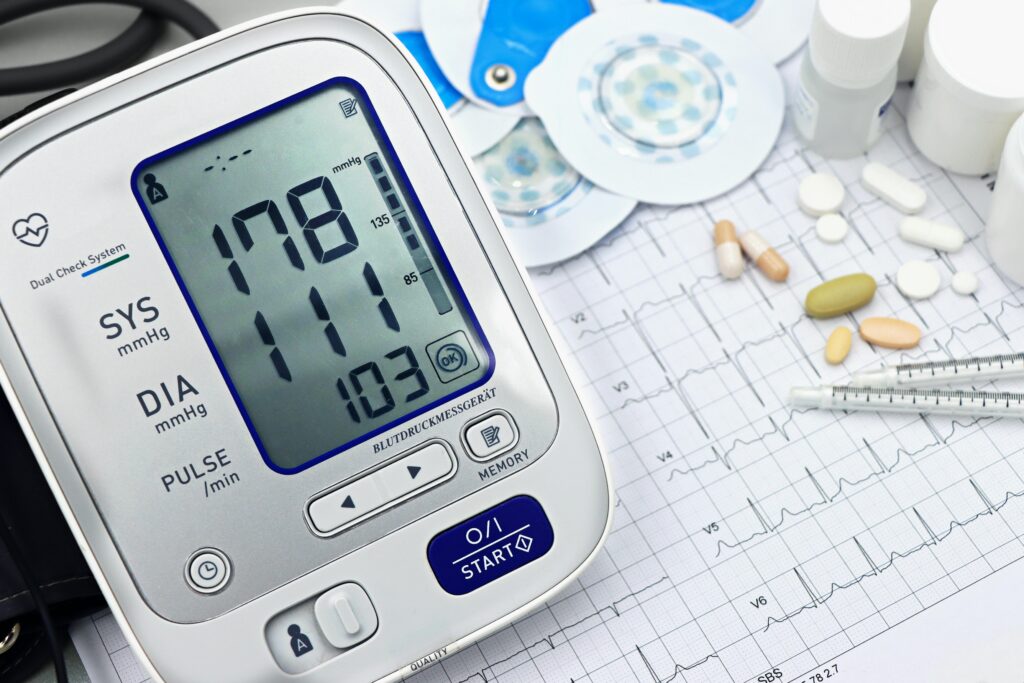
Recognizing flashing lights as a potential hypertensive emergency triggers specific response protocols. First, check your blood pressure immediately using a reliable monitor. If readings exceed 180/120 mmHg, seek emergency medical care without delay.
While awaiting medical attention, sit upright and remain calm to avoid further blood pressure spikes. Remove any tight clothing around your neck or chest. Avoid sudden movements or strenuous activities that might exacerbate symptoms.
Document the timing, duration, and characteristics of visual symptoms for healthcare providers. Note any accompanying symptoms such as chest pain, shortness of breath, or severe headaches. This information helps medical professionals assess the severity and determine appropriate treatment strategies.
Long-term Management and Prevention
Preventing hypertensive visual complications requires comprehensive blood pressure management. Regular monitoring helps identify concerning trends before emergency situations develop. Home blood pressure monitors provide valuable data for healthcare providers tracking treatment effectiveness.
Lifestyle modifications significantly impact long-term outcomes. The DASH diet reduces systolic blood pressure by an average of 11 mmHg in hypertensive individuals. Regular aerobic exercise lowers blood pressure by 5-7 mmHg, while weight loss of just 10 pounds can reduce systolic pressure by 5-20 mmHg.
Medication adherence remains crucial for preventing complications. Skipping doses or discontinuing medications without medical supervision frequently triggers rebound hypertension and associated visual symptoms. Working closely with healthcare providers ensures optimal treatment regimens.
When to Seek Professional Help
Certain combinations of symptoms demand immediate emergency care. Flashing lights accompanied by severe headache, confusion, or difficulty speaking indicate potential stroke. Chest pain with visual disturbances suggests possible heart attack. Sudden, complete vision loss requires emergency intervention within hours to preserve sight.
Regular eye examinations detect early signs of hypertensive retinopathy before symptoms develop. Ophthalmologists can identify subtle vascular changes years before patients notice visual problems. Annual dilated eye exams become essential for individuals with diagnosed hypertension.
Healthy Lifestyle Tips for Busy Professionals – Top 10 Power Strategies to Energize Your Life
Conclusion
High blood pressure can indeed cause flashing lights in your eyes, definitively answering this critical health question. These visual disturbances often indicate hypertensive crisis, demanding immediate medical attention to prevent permanent damage. Understanding exactly how high blood pressure causes flashing lights in eyes empowers you to recognize dangerous symptoms early and take swift action.
Understanding the connection between blood pressure and vision empowers you to recognize dangerous symptoms early. While flashing lights represent serious complications, prompt treatment and ongoing management significantly improve outcomes. Never ignore visual symptoms when you have high blood pressure – your eyesight and life may depend on swift action.
Remember that prevention remains the most effective strategy. Regular blood pressure monitoring, medication compliance, and lifestyle modifications substantially reduce the risk of hypertensive visual complications. Work closely with your healthcare team to maintain optimal blood pressure control and preserve your precious gift of sight.