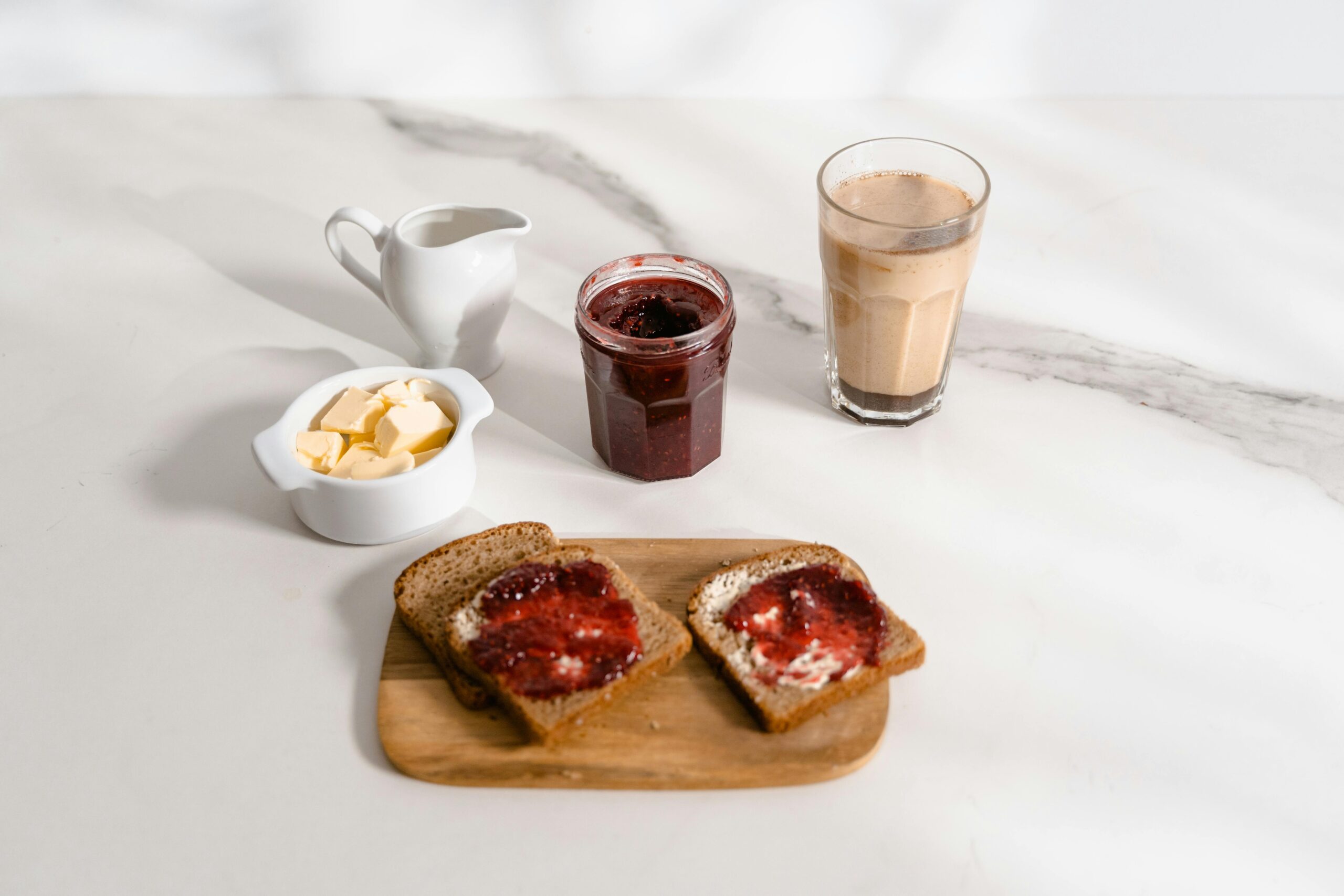
Managing diabetes doesn’t mean giving up your daily coffee ritual. Choosing the right coffee creamers for diabetes can help you maintain stable blood sugar levels while enjoying a delicious, satisfying cup. This comprehensive guide examines the best coffee creamers for diabetes, backed by scientific research and expert recommendations from registered dietitians.
Table of Contents
Understanding Coffee’s Impact on Blood Sugar

Before diving into creamer options, it’s essential to understand how coffee affects blood glucose levels. Research indicates caffeine may affect insulin sensitivity, impacting blood sugar regulation. Interestingly, while caffeine can temporarily increase blood sugar in some individuals, long-term coffee consumption has been associated with reduced diabetes risk.
Recent studies show that each additional cup of coffee without any additive was associated with 10% lower risk of T2D, and consuming moderate amounts of coffee and caffeine regularly may offer a protective effect against developing multiple cardiometabolic diseases, including type 2 diabetes.
Why Choosing Coffee Creamers for Diabetes Matters
Coffee creamers for diabetes require careful consideration because they can significantly impact your blood sugar response. A typical serving (1 tablespoon) of regular coffee creamer contains about 5g of carbohydrates and 5g of added sugar. Most people use more than one tablespoon, meaning your morning coffee could add 10-15 grams or more of added sugars to your diet.
However, selecting the right coffee creamers for diabetes—those containing protein and healthy fats—can actually help stabilize blood sugar responses compared to drinking black coffee alone.
The Science Behind Blood Sugar-Friendly Coffee Creamers
Optimal Blood Sugar Targets After Coffee
Understanding target blood sugar levels helps you evaluate how your chosen creamer affects your glucose response:
- People with diabetes: <180 mg/dL two hours after consuming coffee
- People without diabetes: <140 mg/dL two hours after consuming coffee
Always consult your healthcare provider to determine your specific target ranges.
Key Nutritional Factors to Consider
When selecting a coffee creamer for diabetes management, focus on these critical nutritional components:
1. Total Carbohydrates
Monitor total carbohydrate content, especially if you count carbs for insulin dosing. Even “low-carb” options can add up when using multiple servings.
2. Added Sugars
Many popular creamers contain added sugars, syrups, and artificial flavors that can lead to blood sugar spikes. Aim for creamers with less than 3 grams of added sugar per serving.
3. Protein Content
Protein helps slow glucose absorption and provides satiety. Look for creamers containing at least 1-2 grams of protein per serving.
4. Healthy Fats
Fats help slow carbohydrate absorption and improve the creamer’s texture. Choose creamers with beneficial fats like those from coconut, nuts, or dairy.
5. Fiber
While less common in creamers, fiber can help slow glucose absorption and improve overall glycemic response.
Top 35+ Coffee Creamers for Diabetes: Complete Rankings
Tier 1: Premium Diabetes-Friendly Options (Best Overall)
1. Nutpods Almond + Coconut Creamers

- Carbohydrates: 0g per tablespoon
- Added Sugar: 0g
- Why it’s excellent: Zero added sugars, multiple flavors, widely available
- Best flavors: Vanilla, Hazelnut, Caramel (seasonal)
2. Califia Farms Unsweetened Better Half
- Carbohydrates: 1g per tablespoon
- Added Sugar: 0g
- Why it’s excellent: Combines coconut cream and almond milk for optimal texture
3. Unsweetened Heavy Cream
- Carbohydrates: 0g per tablespoon
- Added Sugar: 0g
- Why it’s excellent: Pure fat content provides richness without blood sugar impact
4. Whole Milk
- Carbohydrates: 1.5g per tablespoon
- Added Sugar: 0g (natural lactose)
- Why it’s excellent: Contains protein and fat, naturally occurring sugars
5. Half & Half
- Carbohydrates: 1g per tablespoon
- Added Sugar: 0g
- Why it’s excellent: Higher fat content than whole milk, rich flavor
Tier 2: Excellent Plant-Based Options
6. Elmhurst Unsweetened Almond Milk
- Carbohydrates: 0g per tablespoon
- Added Sugar: 0g
- Why it’s excellent: Minimal ingredients, clean taste
7. Unsweetened Coconut Milk (Canned)
- Carbohydrates: 0.5g per tablespoon
- Added Sugar: 0g
- Why it’s excellent: High in beneficial medium-chain triglycerides
8. Silk Unsweetened Cashew Milk
- Carbohydrates: 0.5g per tablespoon
- Added Sugar: 0g
- Why it’s excellent: Naturally creamy texture, minimal processing
9. Ripple Unsweetened Pea Milk
- Carbohydrates: 0g per tablespoon
- Added Sugar: 0g
- Protein: 1g per tablespoon
- Why it’s excellent: High protein content unusual for plant-based options
10. Unsweetened Soy Milk
- Carbohydrates: 0.5g per tablespoon
- Added Sugar: 0g
- Protein: 0.5g per tablespoon
- Why it’s excellent: Complete protein profile, established track record
Tier 3: Specialized and Functional Creamers
11. Vital Proteins Collagen Creamer
- Carbohydrates: 1g per scoop
- Added Sugar: 1g
- Protein: 10g per scoop
- Why it’s excellent: Adds beneficial collagen protein, multiple flavor options
12. Kitu Super Creamer
- Carbohydrates: 1g per tablespoon
- Added Sugar: 0g
- Protein: 3g per tablespoon
- Why it’s excellent: Contains MCT oil and protein, keto-friendly
13. Bulletproof Original Creamer
- Carbohydrates: 0g per scoop
- Added Sugar: 0g
- Why it’s excellent: Contains collagen and XCT oil, powdered convenience
14. Laird Superfood Original Creamer
- Carbohydrates: 2g per tablespoon
- Added Sugar: 0g
- Why it’s excellent: Contains beneficial minerals, coconut-based
Tier 4: Barista-Style Options
15. Califia Farms Almond Barista Blend
- Carbohydrates: 1g per tablespoon
- Added Sugar: 0g (unsweetened version)
- Why it’s excellent: Froths well, specifically designed for coffee
16. Elmhurst Almond Barista Milk
- Carbohydrates: 0.5g per tablespoon
- Added Sugar: 0g
- Why it’s excellent: Premium ingredients, excellent texture
17. Oatly Barista Edition Oat Milk
- Carbohydrates: 1g per tablespoon
- Added Sugar: 0g
- Why it’s excellent: Exceptional frothing capabilities, neutral flavor
18. Minor Figures Barista Oat Milk
- Carbohydrates: 1g per tablespoon
- Added Sugar: 0g
- Why it’s excellent: Specifically formulated for coffee, stable foam
Tier 5: Oat-Based Options
19. Planet Oat Unsweetened Original
- Carbohydrates: 1g per tablespoon
- Added Sugar: 0g
- Why it’s excellent: Naturally creamy, widely available
20. Chobani Zero Sugar Oat Milk
- Carbohydrates: 1.5g per tablespoon
- Added Sugar: 0g
- Why it’s excellent: Brand recognition, consistent quality
21. Nutpods Oat Creamer
- Carbohydrates: 1g per tablespoon
- Added Sugar: 0g
- Why it’s excellent: Multiple flavor options, proven track record
22. Califia Farms Oat Milk Barista Blend
- Carbohydrates: 1g per tablespoon
- Added Sugar: 0g
- Why it’s excellent: Premium brand, excellent in coffee
Tier 6: Specialty Nut and Seed Options
23. Mariano Walnut Milk
- Carbohydrates: 0.5g per tablespoon
- Added Sugar: 0g
- Why it’s excellent: High in omega-3 fatty acids, unique flavor
24. Silk Unsweetened Cashew Milk
- Carbohydrates: 0.5g per tablespoon
- Added Sugar: 0g
- Why it’s excellent: Naturally creamy, minimal ingredients
25. Elmhurst Unsweetened Macadamia Milk
- Carbohydrates: 0g per tablespoon
- Added Sugar: 0g
- Why it’s excellent: Rich in monounsaturated fats, luxurious texture
26. Three Trees Unsweetened Pistachio Milk
- Carbohydrates: 0.5g per tablespoon
- Added Sugar: 0g
- Why it’s excellent: Unique flavor profile, high-quality ingredients
Tier 7: Sugar-Free Traditional Flavored Options
27. Starbucks Zero Sugar Creamers
- Carbohydrates: 1g per tablespoon
- Added Sugar: 0g
- Sweeteners: Sucralose
- Why it’s excellent: Familiar flavors, widely available
28. Coffee-Mate Zero Sugar Varieties
- Carbohydrates: 1g per tablespoon
- Added Sugar: 0g
- Sweeteners: Sucralose and Acesulfame K
- Why it’s excellent: Multiple flavor options, consistent quality
29. International Delight Zero Sugar
- Carbohydrates: 1g per tablespoon
- Added Sugar: 0g
- Sweeteners: Acesulfame K
- Why it’s excellent: Traditional creamer taste, sugar-free
30. Califia Farms Zero Sugar Creamers

- Carbohydrates: 1g per tablespoon
- Added Sugar: 0g
- Sweeteners: Monk fruit
- Why it’s excellent: Natural sweetener, plant-based
Tier 8: Lightly Sweetened Options (Use Sparingly)
31. Original Almond Milk
- Carbohydrates: 1g per tablespoon
- Added Sugar: 0.5g
- Why it’s acceptable: Minimal added sugar, widely available
32. Original Soy Milk
- Carbohydrates: 1g per tablespoon
- Added Sugar: 0.5g
- Why it’s acceptable: Contains protein, established option
33. Coconut Milk (Light)
- Carbohydrates: 1g per tablespoon
- Added Sugar: 1g
- Why it’s acceptable: Lower calorie option, tropical flavor
34. Elmhurst Oat Milk Creamers (Vanilla)
- Carbohydrates: 2g per tablespoon
- Added Sugar: 1g
- Why it’s acceptable: Minimal added sugar, premium brand
35. Chobani Extra Creamy Oat Milk
- Carbohydrates: 1.5g per tablespoon
- Added Sugar: 1g
- Why it’s acceptable: High-quality ingredients, moderate sugar content
How to Choose the Right Creamer for Your Needs
For Type 1 Diabetes
Focus on creamers with minimal carbohydrates to reduce insulin calculation complexity. Options like Nutpods, unsweetened plant milks, and heavy cream work best.
For Type 2 Diabetes
Prioritize creamers with protein and healthy fats to improve satiety and blood sugar stability. Consider options like protein-enhanced creamers or dairy-based choices.
For Gestational Diabetes
Choose nutrient-dense options that provide additional nutritional benefits. Collagen creamers or protein-enhanced varieties can support both blood sugar management and pregnancy needs.
For Prediabetes
Focus on establishing healthy habits with minimal-impact creamers. This is an excellent time to transition to lower-sugar options.
Advanced Tips for Blood Sugar Management
Portion Control Strategies
- Use measuring spoons rather than eyeballing portions
- Start with smaller amounts and gradually adjust to taste
- Consider using a milk frother to increase volume without additional calories
Timing Considerations
- Consume coffee with creamer alongside or after meals to minimize blood sugar spikes
- Avoid drinking coffee on an empty stomach if you experience glucose fluctuations
- Monitor your individual response patterns and adjust accordingly
Combination Approaches
- Mix different creamers to achieve desired taste and texture
- Add a small amount of high-protein creamer to enhance the nutritional profile
- Consider adding a pinch of cinnamon, which may help with blood sugar management
Common Mistakes to Avoid
Underestimating Serving Sizes
Most nutrition labels list information for 1 tablespoon servings, but many people use 2-4 tablespoons. Always account for actual usage in your calculations.
Ignoring Cumulative Effects
Multiple cups of coffee throughout the day can significantly impact your total carbohydrate and sugar intake. Track your consumption across all servings.
Focusing Only on Sugar Content
While sugar content is important, don’t ignore total carbohydrates, which affect blood sugar regardless of source.
Not Testing Individual Response
Everyone’s blood sugar response varies. Use a glucose meter to understand how different creamers affect your personal glucose levels.
The Role of Artificial Sweeteners
Many sugar-free creamers contain artificial sweeteners like sucralose, aspartame, or acesulfame K. While these don’t directly raise blood sugar, some individuals may experience digestive discomfort or have concerns about long-term consumption.
Natural alternatives include:
- Stevia-based sweeteners
- Monk fruit sweeteners
- Erythritol-based options
DIY Creamer Recipes for Diabetes
Basic Coconut Almond Creamer
- 1 cup unsweetened coconut milk
- 1 cup unsweetened almond milk
- 1 teaspoon vanilla extract
- Pinch of salt
Protein-Enhanced Vanilla Creamer
- 1 cup unsweetened cashew milk
- 1 scoop unflavored protein powder
- 1 teaspoon vanilla extract
- Stevia to taste
Collagen Cinnamon Creamer
- 1 cup unsweetened oat milk
- 1 scoop collagen powder
- 1/2 teaspoon cinnamon
- 1/4 teaspoon vanilla extract
Monitoring Your Response
Blood Sugar Testing Protocol
- Test blood sugar before drinking coffee
- Test 1-2 hours after consuming coffee with creamer
- Record results along with the specific creamer and amount used
- Look for patterns over multiple days
Signs Your Creamer May Not Be Suitable
- Consistent blood sugar spikes >30 mg/dL
- Prolonged elevated glucose levels
- Digestive discomfort
- Increased cravings for sweet foods
Budget-Friendly Options
Most Economical Choices
- Whole milk – Widely available, nutrient-dense
- Half & half – Small amounts needed, long shelf life
- Unsweetened almond milk – Often on sale, versatile
- Store-brand sugar-free creamers – Comparable quality at lower cost
Money-Saving Tips
- Buy in bulk when possible
- Look for store brands of premium products
- Use coupons and sales strategically
- Consider making your own creamer from base ingredients
Frequently Asked Questions
Can I use regular milk if I have diabetes?
Yes, both whole milk and 2% milk can be suitable for people with diabetes. The key is portion control and accounting for the natural sugars (lactose) in your meal planning.
Are plant-based creamers always better for diabetes?
Not necessarily. Some plant-based creamers contain added sugars and thickeners that can impact blood sugar. Always read labels and choose unsweetened varieties when possible.
How much creamer is too much?
This varies by individual, but generally, keeping total daily creamer intake to 2-4 tablespoons helps maintain reasonable carbohydrate limits while allowing for flexibility in other food choices.
Can I drink coffee with creamer if I take diabetes medication?
Yes, but work with your healthcare provider to understand how coffee and creamer might interact with your medications and overall diabetes management plan.
Do I need to avoid all artificial sweeteners?
No, artificial sweeteners are generally safe for people with diabetes and don’t raise blood sugar. However, some people prefer natural alternatives for personal reasons.
Expert Recommendations Summary
Based on extensive research and expert analysis, here are the top recommendations for different needs:
Best Overall: Nutpods Almond + Coconut Creamer (Original) Best for Protein: Kitu Super Creamer Best Budget Option: Unsweetened Almond Milk Best for Frothing: Califia Farms Barista Blends Best Flavored Sugar-Free: Starbucks Zero Sugar Creamers Best Natural Option: Heavy Cream or Half & Half
Conclusion
Managing diabetes doesn’t require giving up your favorite coffee ritual. With careful selection and portion awareness, you can enjoy delicious coffee while maintaining stable blood sugar levels. The key is choosing creamers with minimal added sugars, beneficial nutrients like protein and healthy fats, and monitoring your individual response.
Start with the Tier 1 options if you’re new to diabetes management, and gradually explore other categories based on your preferences and blood sugar responses. Remember that the best creamer for diabetes is one that fits your lifestyle, tastes good, and supports your overall health goals.
Always consult with your healthcare provider or a registered dietitian when making significant changes to your diet, especially if you’re adjusting diabetes medications or having difficulty managing blood sugar levels.
Authoritative Sources
- National Center for Biotechnology Information – Coffee and Diabetes Research
- American Diabetes Association – Diabetes Care Journal
- Mayo Clinic – Diabetes and Caffeine
- Medical News Today – Diabetes and Coffee Research
- Endocrine Society – Coffee and Cardiometabolic Health
Also Read
10 Best Blood Sugar Supplements: Evidence-Based Review & Buyer’s Guide