
This post contains affiliate links, which means I may earn a commission if you purchase through my link at no extra cost to you

Managing blood sugar levels is a crucial aspect of health for millions of people worldwide. While diet, exercise, and medication are primary strategies, many turn to natural supplements for additional support. This comprehensive guide will help you understand which blood sugar supplements actually work, which ones to avoid, and how to choose the right option for your specific needs.
Table of Contents
What Are Blood Sugar Supplements?
Blood sugar supplements are natural products designed to help maintain healthy glucose levels. They typically contain vitamins, minerals, herbs, or other compounds that may influence insulin sensitivity, glucose metabolism, or related biological processes.
Unlike prescription medications, these supplements aren’t intended to treat diabetes but rather to support overall metabolic health and complement conventional treatment approaches.
Try Sugar Defender today to help maintain healthy blood sugar levels—click here to learn more!
Who Should Consider Blood Sugar Supplements?
Blood sugar supplements may be beneficial for:
- People with prediabetes looking to maintain healthy glucose levels
- Individuals with type 2 diabetes seeking complementary support to their medication
- Those with insulin resistance or metabolic syndrome
- People with a family history of diabetes who want preventative support
- Individuals looking to reduce sugar cravings and stabilize energy levels
However, it’s essential to note that supplements should never replace prescribed medications or medical advice. Always consult with a healthcare provider before adding any supplement to your regimen.
Top 10 Evidence-Based Blood Sugar Supplements
1. Berberine

Berberine is a bioactive compound found in several plants, including barberry and goldenseal. It has impressive research backing its effectiveness for blood sugar management.
How it works: Berberine activates an enzyme called AMP-activated protein kinase (AMPK), sometimes called the “metabolic master switch.” It may improve insulin sensitivity and reduce glucose production in the liver.
Research findings: Multiple studies have shown that berberine can lower fasting blood glucose, hemoglobin A1C, and insulin resistance markers. Some research suggests its effectiveness may be comparable to metformin, a common diabetes medication.
Recommended dosage: 500mg taken 2-3 times daily before meals.
Potential side effects: Digestive discomfort, constipation, or diarrhea.
2. Cinnamon
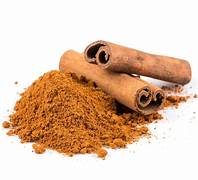
This common kitchen spice has been studied extensively for its blood sugar benefits.
How it works: Cinnamon contains compounds that may improve insulin sensitivity and slow carbohydrate absorption in the digestive tract.
Research findings: Studies show that cinnamon can reduce fasting blood glucose levels and improve insulin sensitivity. It may also help lower cholesterol levels.
Recommended dosage: 1-6 grams of cinnamon powder daily or 500mg of cinnamon extract.
Potential side effects: Generally safe, but high doses may cause liver damage in sensitive individuals.
Try Sugar Defender today to help maintain healthy blood sugar levels—click here to learn more!
3. Alpha-Lipoic Acid (ALA)https
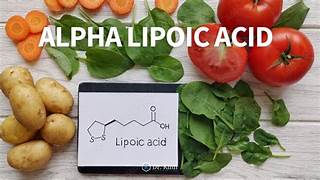
ALA is a powerful antioxidant produced naturally in the body and found in certain foods.
How it works: ALA helps convert glucose into energy and can increase insulin sensitivity. It also combats oxidative stress, which is elevated in people with blood sugar issues.
Research findings: Clinical trials show that ALA supplementation can improve insulin sensitivity and reduce oxidative stress markers in people with type 2 diabetes.
Recommended dosage: 600-1,800mg daily.
Potential side effects: Skin rash, nausea, or low blood sugar if taken with diabetes medications.
4. Chromium

Chromium is an essential trace mineral that plays a key role in glucose metabolism.
How it works: Chromium enhances the action of insulin and helps transport glucose into cells.
Research findings: Research shows mixed results, but some studies indicate chromium supplementation can improve insulin sensitivity and glucose tolerance, especially in people with deficiencies.
Recommended dosage: 200-1,000mcg daily, typically as chromium picolinate.
Potential side effects: Headaches, digestive upset, or skin irritation.
5. Magnesium
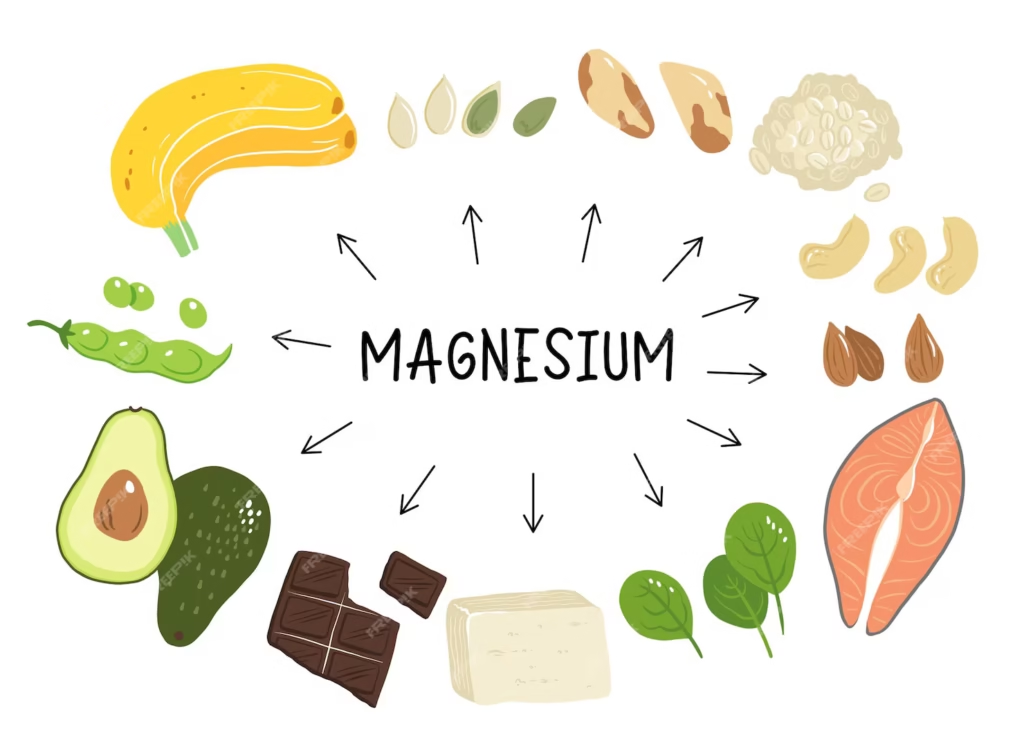
Many people are deficient in this essential mineral, which is crucial for over 300 biochemical reactions in the body.
How it works: Magnesium plays a vital role in glucose metabolism and insulin action.
Research findings: Studies show that magnesium supplementation can improve insulin sensitivity and glucose control, particularly in people who are deficient.
Recommended dosage: 300-400mg daily.
Potential side effects: Digestive issues, especially at higher doses.
6. Bitter Melon

Bitter melon (Momordica charantia) is a tropical fruit used in traditional medicine systems.
How it works: Contains compounds that act similar to insulin and may help cells absorb glucose.
Research findings: Some studies show modest benefits for lowering blood sugar levels, though results are mixed.
Recommended dosage: 500-1,000mg of extract daily or 50-100ml of fresh juice.
Potential side effects: Stomach pain, diarrhea; not recommended during pregnancy.
7. Gymnema Sylvestre

This herb has been used in Ayurvedic medicine for centuries for blood sugar control.
How it works: May enhance insulin production, regenerate pancreatic beta cells, and reduce sugar absorption in the intestines.
Research findings: Studies show it can lower fasting blood glucose and A1C levels in both type 1 and type 2 diabetes.
Recommended dosage: 200-400mg of extract daily.
Potential side effects: Generally well-tolerated, but may cause hypoglycemia when combined with diabetes medications.
Try Sugar Defender today to help maintain healthy blood sugar levels—click here to learn more!
8. Fenugreek
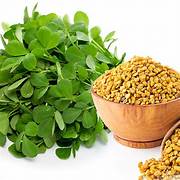
Fenugreek seeds contain soluble fiber that helps slow digestion and sugar absorption.
How it works: The fiber content slows carbohydrate absorption, while certain compounds may stimulate insulin release.
Research findings: Research shows fenugreek can improve glucose tolerance and lower fasting blood sugar levels.
Recommended dosage: 1-2 grams of seed powder or 500mg of extract daily.
Potential side effects: Digestive discomfort, maple syrup-like body odor.
9. Vitamin D
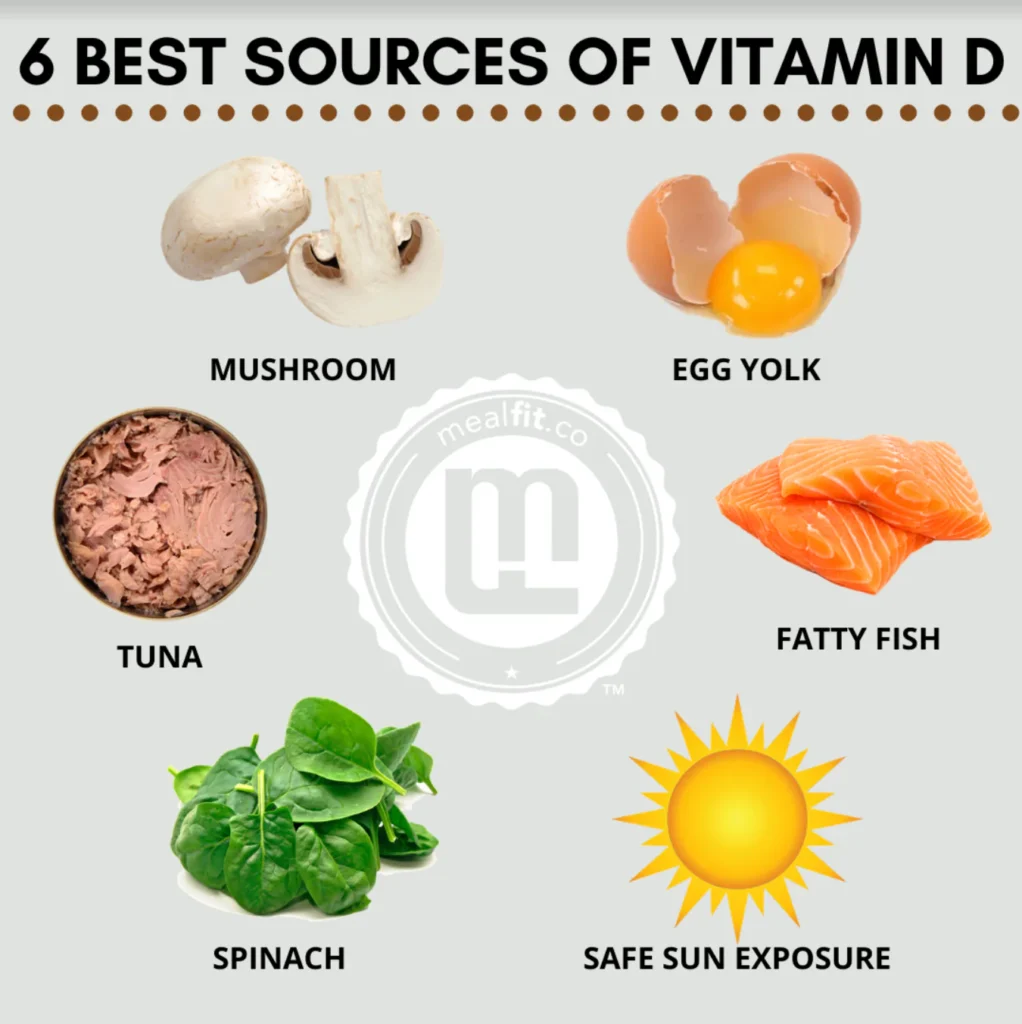
Often called the “sunshine vitamin,” vitamin D deficiency is common and linked to insulin resistance.
How it works: Vitamin D appears to enhance insulin sensitivity and may protect pancreatic beta cells.
Research findings: Studies show that correcting vitamin D deficiency can improve insulin sensitivity and glucose tolerance.
Recommended dosage: 1,000-4,000 IU daily, depending on blood levels.
Potential side effects: Rare at recommended doses, but high doses can cause elevated calcium levels.
10. Banaba Leaf

Banaba (Lagerstroemia speciosa) leaf extract contains corosolic acid, which may benefit blood sugar levels.
How it works: Corosolic acid may act as an insulin mimetic, helping transport glucose into cells.
Research findings: Small studies suggest it can reduce blood glucose levels.
Recommended dosage: 32-48mg of extract (standardized to 1% corosolic acid) daily.
Potential side effects: Generally well-tolerated.
Check Out Our Sugar Defender Ingredients: Complete Analysis of the 8 Powerful Blood Sugar Support Components (2025 Updated Guide)
How to Choose the Right Blood Sugar Supplement
Selecting the right supplement requires careful consideration of several factors:
1. Current Health Status
- Know your numbers: Understand your fasting glucose, A1C, and other relevant lab values.
- Existing conditions: Some supplements may interact with certain health conditions.
- Medications: Many supplements can interact with diabetes medications or other drugs.
2. Quality and Purity
- Third-party testing: Look for supplements tested by independent labs for purity and potency.
- Manufacturing standards: Choose products made in GMP-certified facilities.
- Ingredient transparency: Avoid products with proprietary blends that don’t disclose exact amounts.
3. Form and Dosage
- Bioavailability: Some forms are better absorbed than others (e.g., chromium picolinate vs. chromium chloride).
- Proper dosing: Follow evidence-based dosage recommendations rather than arbitrary amounts.
- Combination products: Consider whether single ingredients or formulated blends are more appropriate for your needs.
4. Cost and Value
- Price per serving: Calculate the actual cost per day rather than just the bottle price.
- Potency and standardization: Higher quality extracts may cost more but provide better results.
- Subscription options: Many companies offer discounts for regular deliveries.
Try Sugar Defender today to help maintain healthy blood sugar levels—click here to learn more!
Potential Risks and Interactions
Blood sugar supplements aren’t without risks. Be aware of these potential concerns:
Medication Interactions
Many supplements can interact with diabetes medications like metformin, sulfonylureas, or insulin. This can potentially cause dangerous drops in blood sugar (hypoglycemia).
For example, combining berberine or gymnema with diabetes medications may enhance their glucose-lowering effects, requiring medication dosage adjustments.
Health Condition Considerations
- Pregnancy and breastfeeding: Most blood sugar supplements haven’t been studied for safety during pregnancy or lactation.
- Kidney or liver disease: Some supplements may strain these organs or alter medication metabolism.
- Autoimmune conditions: Certain immune-modulating herbs may affect autoimmune disorders.
Quality Control Issues
The supplement industry has less rigorous regulation than pharmaceuticals. This means:
- Actual ingredient content may differ from label claims
- Contamination with heavy metals or other substances is possible
- Standardization of active compounds may be inconsistent
Lifestyle Factors That Enhance Supplement Effectiveness
Supplements work best when combined with healthy lifestyle practices:
Dietary Approaches
- Low glycemic diet: Focus on foods that have a minimal impact on blood sugar levels.
- Balanced meals: Include protein, healthy fats, and fiber with carbohydrates to slow glucose absorption.
- Meal timing: Regular eating patterns help maintain stable blood sugar levels.
Physical Activity
- Regular exercise: Both aerobic and resistance training improve insulin sensitivity.
- Post-meal movement: Even a short walk after eating can help lower post-meal glucose spikes.
- Consistency: Daily movement is more effective than occasional intense workouts.
Stress Management
- Chronic stress: Elevated stress hormones can raise blood sugar levels.
- Mind-body practices: Meditation, yoga, and deep breathing can help manage stress.
- Sleep quality: Poor sleep impacts glucose metabolism and insulin sensitivity.
Check Out 7 Powerful Strategies to Overcome Diabetes Emotional Distress
When to Consult a Healthcare Provider
Always speak with a healthcare provider before starting any supplement regimen, especially if you:
- Take prescription medications
- Have diabetes or prediabetes
- Are pregnant or breastfeeding
- Have kidney, liver, or heart disease
- Experience unusual symptoms after starting supplements
Regular monitoring of blood glucose levels is essential when using these supplements to ensure they’re having the desired effect and not causing adverse reactions.
Try Sugar Defender today to help maintain healthy blood sugar levels—click here to learn more!
FAQs About Blood Sugar Supplements
Can blood sugar supplements replace diabetes medications?
No. While some supplements show promising effects on blood sugar levels, they are not FDA-approved treatments for diabetes and should not replace prescribed medications. They may complement conventional treatments when used under medical supervision.
How long does it take to see results from blood sugar supplements?
Results vary depending on the supplement and individual factors. Some people notice improvements within weeks, while others may need several months of consistent use. Monitoring blood glucose levels can help determine effectiveness.
Are natural supplements always safe?
No. “Natural” doesn’t automatically mean safe. Many powerful pharmaceuticals originated from plants. Natural supplements can cause side effects, interact with medications, and may not be appropriate for everyone.
Can I take multiple blood sugar supplements together?
This depends on the specific supplements and your health status. Some combinations may provide synergistic benefits, while others could increase the risk of hypoglycemia or other adverse effects. Consult with a healthcare provider before combining supplements.
Will insurance cover blood sugar supplements?
Most insurance plans don’t cover dietary supplements. However, some HSA and FSA accounts may reimburse these expenses if prescribed by a healthcare provider for a medical condition.
Try Sugar Defender today to help maintain healthy blood sugar levels—click here to learn more!
Conclusion
Blood sugar supplements can be valuable additions to a comprehensive approach to metabolic health. Berberine, cinnamon, alpha-lipoic acid, chromium, and magnesium have the strongest evidence supporting their effectiveness.
However, supplements aren’t magic bullets and work best when combined with healthy lifestyle practices. Before starting any supplement regimen, consult with a healthcare provider who understands both conventional and complementary approaches to blood sugar management.
Remember that individual responses to supplements vary widely, and what works well for one person may not work for another. Personalized approaches, regular monitoring, and ongoing communication with healthcare providers are key to finding the most effective strategy for your unique needs.
External Authoritative Sources
- National Institutes of Health (NIH) Office of Dietary Supplements:
- American Diabetes Association
- Journal of Diabetes Science and Technology (Berberine research):
- Mayo Clinic (Diabetes supplements)
Harvard Health Blog (Vitamin D and diabetes)
Medical Disclaimer
The content on TotalWellness Hub (https://nutreeo.com) is provided for informational and educational purposes only. It is not medical advice and should not replace consultation with a qualified healthcare professional.
Always seek the guidance of your doctor or other licensed medical providers regarding any health concerns, treatments, or lifestyle changes. Do not ignore professional advice or delay seeking it because of information found on this website.
We are not responsible for any outcomes, side effects, or damages resulting from the use of information or products mentioned here.